

As a cricket enthusiast, I often find myself delving into the statistics that define the game. One statistic that has intrigued me over the years is the "Lowest Strike Rate in Test" cricket. This metric can reveal so much about a player's performance, batting style, and even the conditions under which they played. In this article, I aim to explore the nuances of the lowest strike rate in Test cricket, its implications, and what it tells us about the players who hold this record.
I invite you to join me on this journey as we unpack the significance of this statistic, look at some real-life examples, and discuss what it means for both players and fans alike. Whether you're a seasoned cricket fan or a newcomer to the game, understanding the lowest strike rate in Test cricket can deepen your appreciation for the sport.
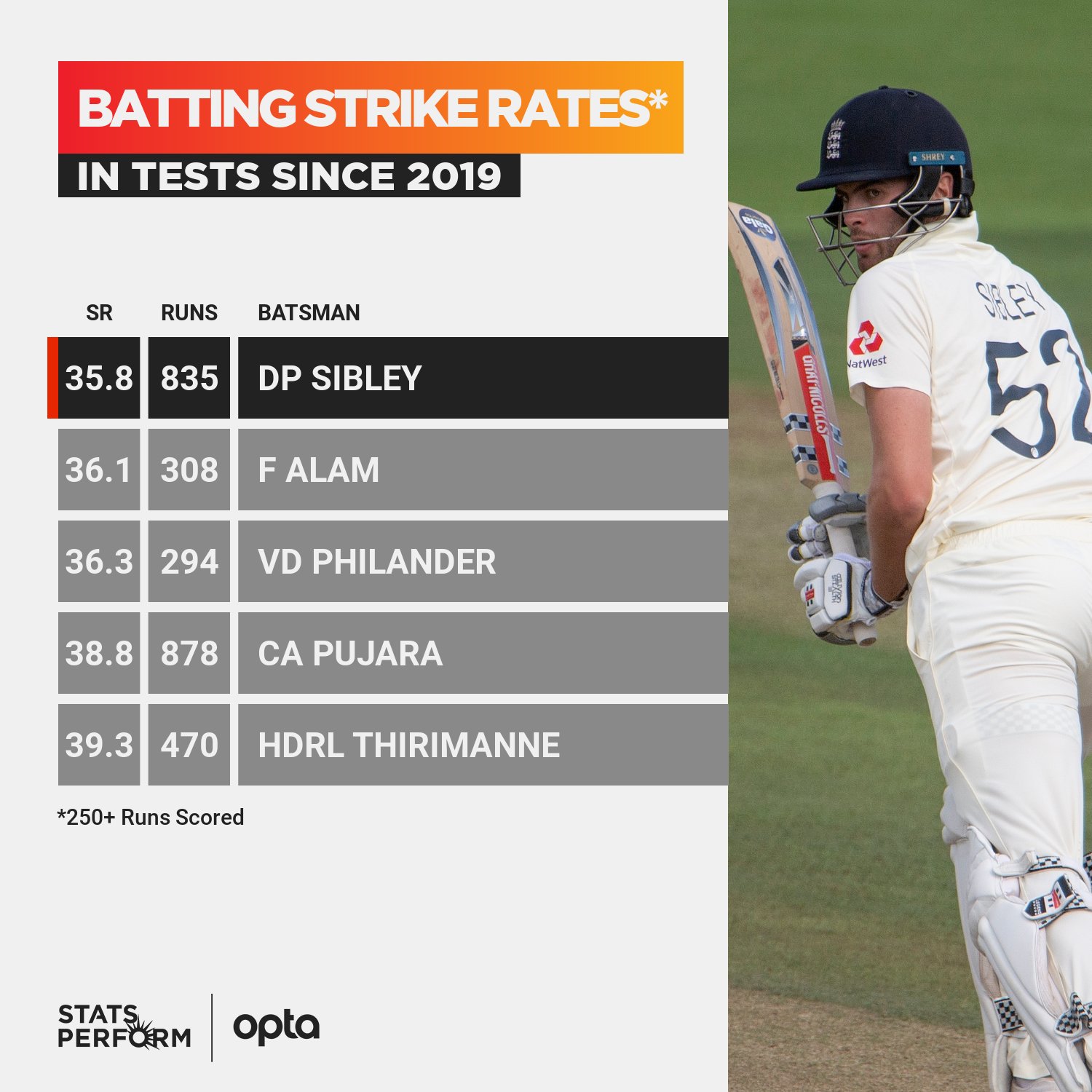
Source: x.com
What is Strike Rate in Test Cricket?
Before we dive into the lowest strike rate, it's essential to understand what strike rate means in the context of Test cricket. The strike rate is a measure of how quickly a batsman scores runs. It is calculated using the formula:
[ \text{Strike Rate} = \left( \frac{\text{Runs Scored}}{\text{Balls Faced}} \right) \times 100 ]For example, if a batsman scores 50 runs off 100 balls, their strike rate would be 50. A higher strike rate indicates that a player scores runs more quickly, which is often seen as a positive trait, especially in limited-overs formats. However, in Test cricket, where the emphasis is on building innings and playing long, the strike rate can vary significantly.

Source: www.instagram.com
The Importance of Strike Rate in Test Cricket
In Test cricket, the strike rate provides insights into a player's approach and adaptability. A lower strike rate might be indicative of a player who is cautious, focusing on preserving their wicket, particularly in challenging conditions. Conversely, a higher strike rate may reflect a player's aggressiveness and ability to dominate bowlers.
While the lowest strike rate in Test cricket may seem like a negative aspect, it can also highlight players who excel in defensive techniques or those who played during eras when scoring runs was particularly challenging. Understanding these nuances can help us appreciate the diverse strategies employed by players throughout cricket history.

Source: www.espncricinfo.com
The Record for the Lowest Strike Rate in Test Cricket
As of 2025, the record for the lowest strike rate in Test cricket is held by the legendary cricketer Bobby Simpson of Australia. His strike rate stands at an astonishingly low 36.00. This record was established during a period when the game was played under very different conditions compared to today.
Bobby Simpson was known for his solid technique and ability to play long innings. His style was more about building an innings than scoring quickly. While many modern players focus on aggressive batting, Simpson's approach was more about patience and resilience, which is reflected in his low strike rate.
Other Notable Players with Low Strike Rates
While Bobby Simpson holds the record, several other players have also recorded low strike rates in Test cricket. Here are a few notable mentions:
-
Graham Gooch (England) – With a strike rate of 38.00, Gooch was known for his ability to bat for long periods, often grinding down bowlers.
-
Alastair Cook (England) – Another English legend, Cook has a strike rate of 40.00, showcasing his knack for playing long innings while preserving his wicket.
-
Muttiah Muralitharan (Sri Lanka) – While primarily known for his bowling, Muralitharan had a strike rate of 41.00 in his batting career, reflecting his defensive style.
These players, like Simpson, have made significant contributions to their teams, demonstrating that a low strike rate does not necessarily equate to poor performance.

Source: www.instagram.com
Factors Influencing Strike Rate in Test Cricket
Several factors can influence a player's strike rate in Test cricket:
1. Pitch Conditions
The condition of the pitch plays a crucial role in determining how quickly a batsman can score. A green top or a pitch with uneven bounce can lead to lower strike rates as batsmen focus on survival rather than aggression.
2. Bowling Quality
Facing high-quality bowlers can also affect a batsman's strike rate. If the opposition has a strong bowling attack, players might adopt a more cautious approach to avoid getting out.
3. Match Situation
The context of the match can influence a player's mindset. For instance, if a team is in a precarious position, batsmen may take fewer risks, resulting in a lower strike rate.
4. Personal Style
Every player has a unique batting style. Some are naturally aggressive, while others are more defensive. Personal preference plays a significant role in determining strike rates.
5. Era of Play
The era in which a player competes can greatly affect strike rates. For example, in the 1970s and 1980s, Test cricket was often about survival and patience, leading to lower strike rates compared to the more aggressive styles seen in contemporary cricket.

Source: www.espncricinfo.com
The Emotional Aspect of Low Strike Rates
While statistics can tell us a lot, they often fail to capture the emotional aspect of the game. Players with low strike rates may face criticism, and their contributions can sometimes be undervalued. I remember watching Bobby Simpson play; his ability to withstand pressure and build innings was remarkable.
For many fans, a low strike rate can evoke emotions ranging from frustration to admiration. While some might see it as a lack of aggression, others appreciate the skill and technique required to play defensively. Understanding this emotional landscape can help us appreciate the game on a deeper level.
The Impact of Low Strike Rates on Team Performance
Low strike rates can have both positive and negative implications for a team's performance. On one hand, a player with a low strike rate might stabilize an innings during a difficult phase, allowing more aggressive players to take risks. On the other hand, if the entire team adopts a cautious approach, it can lead to a lack of scoring and ultimately affect the match outcome.
Balancing Aggression and Caution
In my experience watching and playing cricket, I’ve seen teams that successfully balance aggressive and cautious batting styles often perform better. For instance, a player with a low strike rate can anchor the innings while another player capitalizes on the scoring opportunities. This balance can create a dynamic batting lineup that adapts to various match situations.

Source: www.reddit.com
Strategies for Players with Low Strike Rates
For players who find themselves with a low strike rate, there are several strategies to improve their scoring rate without compromising their style:
1. Focus on Rotating the Strike
One of the simplest ways to improve your strike rate is to focus on rotating the strike. This can be achieved by taking singles and twos, which keeps the scoreboard ticking without taking undue risks.
2. Assess the Match Situation
Players should constantly assess the match situation. If the team is in a strong position, it may be the right time to take calculated risks. Conversely, if the team is struggling, adopting a more defensive approach may be necessary.
3. Practice Aggressive Shots
While it’s essential to stick to one’s strengths, practicing aggressive shots can help players adapt to different match situations. This versatility can make a significant difference in their overall performance.
4. Build Partnerships
Strong partnerships can help alleviate pressure on individual players. By building partnerships, players can share the scoring burden, allowing them to focus on their natural game.
5. Mental Conditioning
Developing a strong mental approach is crucial. Players should work on their mindset to embrace aggression when needed while maintaining their defensive strengths.

Source: www.cric-life.com
Frequently Asked Questions about Lowest Strike Rate in Test
What is the lowest strike rate in Test cricket?
The lowest strike rate in Test cricket is held by Bobby Simpson, with a strike rate of 36.00.
Why is a low strike rate significant?
A low strike rate can indicate a player's cautious approach, often reflecting the conditions they played in or their batting style.
Can a low strike rate be beneficial for a team?
Yes, a low strike rate can stabilize an innings and allow more aggressive players to take risks, benefiting the team's overall performance.
How does the era of play affect strike rates?
Different eras have different playing conditions, which can influence strike rates. For example, pitches and bowling quality have evolved, impacting how players score runs.
What strategies can help improve a low strike rate?
Players can focus on rotating the strike, assessing match situations, practicing aggressive shots, building partnerships, and improving their mental conditioning.

Source: www.cricketnmore.com
Conclusion
Understanding the lowest strike rate in Test cricket offers a unique perspective on the game. It reveals the complexities of batting styles and the various factors that influence a player's performance. While a low strike rate may seem like a disadvantage, it can also highlight the importance of patience, technique, and situational awareness in cricket.
As fans and players, we should appreciate the diversity of styles and strategies that cricket offers. Whether you are a fan of aggressive batting or a more cautious approach, there is so much to learn from the statistics, especially the lowest strike rate in Test cricket.
I encourage you to explore more about cricket statistics and appreciate the nuances of the game. If you found this article helpful, consider leaving a comment or sharing it with fellow cricket enthusiasts.

Mayank Chaudhary is a former Indian domestic cricketer, now working as a cricket analyst. With years of on-field experience and deep insight into the dynamics of the game and the world of cricket betting, he now shares his expertise to help fellow cricket enthusiasts make smarter, more informed bets. Learn more on the About Me page.