

Cricket is a game filled with excitement, strategy, and skill. One of the most intriguing aspects of cricket is how a player can be dismissed, commonly referred to as getting "out." Understanding the different types of cricket outs is essential for any cricket enthusiast, whether you're a player, a fan, or just someone looking to grasp the game better. In this article, I will explore the 10 types of cricket outs that can occur during a match, offering insights and real-life examples to enhance your understanding.
From the classic bowled to the more nuanced run-out, each type of dismissal carries its own significance and strategy. As we delve into these outs, I’ll share personal experiences and expert knowledge that will make this topic engaging and informative. So, let’s get started on this exciting journey through the world of cricket dismissals!
Source: www.olympics.com
1. Bowled
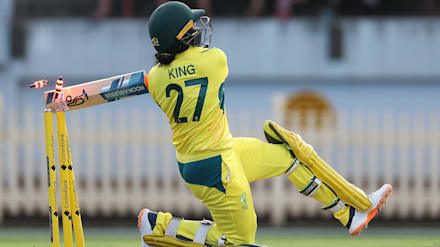
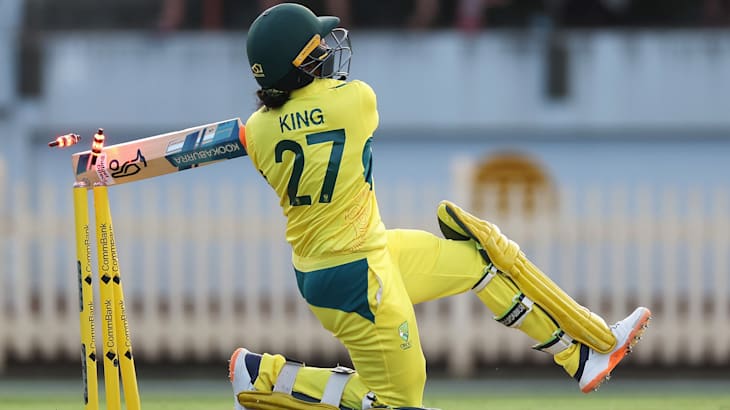
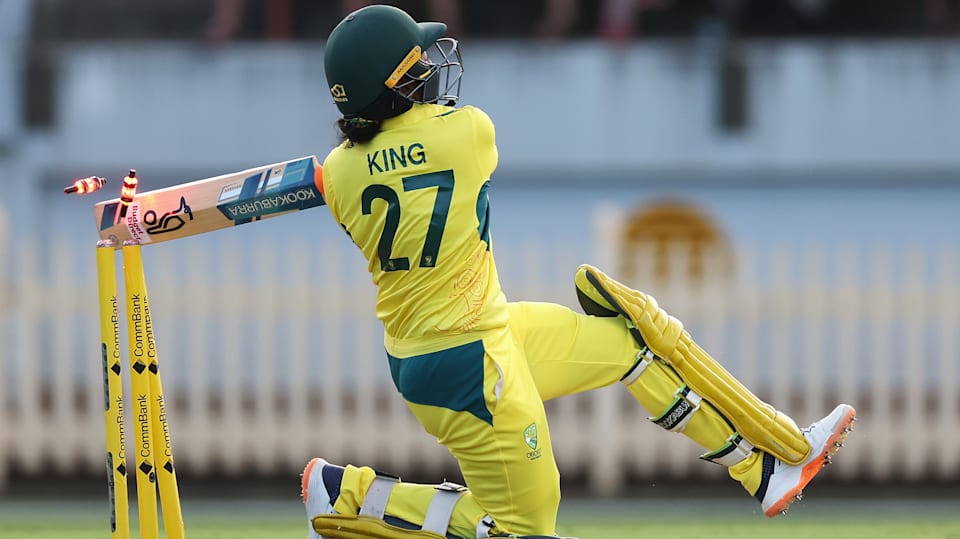
The bowled dismissal is one of the most straightforward and dramatic ways a batsman can be out. It occurs when the bowler delivers the ball, and it hits the stumps, dislodging the bails. This type of out is celebrated by bowlers and often leaves the batsman in disbelief, especially when it’s a clean strike.
Key Features:
- The ball must be bowled and not a no-ball.
- The batsman can be out bowled regardless of whether they are attempting a shot or not.
Personal Insight:
I remember watching a match where a fast bowler delivered a searing yorker that knocked the bails off in a split second. The crowd erupted in cheers, showcasing the excitement that comes with such a dismissal.
Pros and Cons:
- Pros: It’s a clear indication of a bowler’s skill.
- Cons: It can be disheartening for the batsman, especially if they are in good form.
Ideal Users:
- For players looking to improve their bowling techniques.

Source: blog.cricheroes.com
2. Caught
Caught is another common way a batsman can be dismissed. This occurs when a fielder catches the ball before it touches the ground after the batsman hits it. This dismissal can happen off any type of delivery, making it a versatile aspect of the game.
Key Features:
- The catch must be taken cleanly without the ball touching the ground.
- It can be caught by any fielder, including the wicketkeeper.
Personal Insight:
I once witnessed a breathtaking catch at the boundary during a local match. The fielder leaped into the air, snatching the ball just before it could touch the ground. The crowd went wild, and it highlighted the importance of fielding skills in cricket.
Pros and Cons:
- Pros: Highlights the athleticism and skill of fielders.
- Cons: Batsmen can feel frustrated if they get out to a spectacular catch.
Ideal Users:
- For aspiring fielders aiming to enhance their catching techniques.
Source: www.olympics.com
3. LBW (Leg Before Wicket)
Leg Before Wicket, commonly known as LBW, is a more complex dismissal that can spark debates among players and fans alike. A batsman can be given out LBW if the ball strikes any part of their body before hitting the bat, and it would have gone on to hit the stumps.
Key Features:
- The ball must pitch in line with the stumps or outside the off-stump.
- The batsman must not have offered a shot.
Personal Insight:
During a crucial match, I was once part of a heated discussion about a controversial LBW decision. It was a close call, and the batsman was visibly upset. This incident highlighted the subjective nature of umpiring in cricket.
Pros and Cons:
- Pros: Encourages bowlers to pitch the ball in the right areas.
- Cons: Can lead to contentious decisions that frustrate players.
Ideal Users:
- For bowlers looking to understand the intricacies of LBW.

Source: www.a3sports.com.my
4. Run Out
A run-out occurs when a batsman attempts to take a run but fails to reach the crease before the fielding team breaks the stumps with the ball. This type of dismissal emphasizes teamwork and quick decision-making between batsmen.
Key Features:
- Fielders must break the stumps with the ball while the batsman is out of their crease.
- Can occur during any run attempt.
Personal Insight:
I recall a thrilling match where a batsman was run out by mere inches. The tension in the stadium was palpable as the fielders celebrated while the batsman walked off in disbelief. It’s a reminder that every run counts in cricket.
Pros and Cons:
- Pros: Showcases the importance of communication and awareness on the field.
- Cons: Can lead to misunderstandings between batsmen.
Ideal Users:
- For players looking to improve their running between the wickets.
Source: www.olympics.com
5. Stumped
Stumping is a unique dismissal that can only occur when the wicketkeeper is involved. A batsman can be stumped if they step out of their crease to play a ball and the wicketkeeper breaks the stumps with the ball before the batsman can return.
Key Features:
- Only the wicketkeeper can effect a stumping.
- The batsman must be out of their crease.
Personal Insight:
I’ve seen some brilliant stumpings that required lightning-fast reflexes from the wicketkeeper. One particular instance involved a keeper who flicked the bails off in a split second, leaving the batsman stunned.
Pros and Cons:
- Pros: Highlights the skills of the wicketkeeper.
- Cons: Often depends on the batsman’s decision-making.
Ideal Users:
- For wicketkeepers wanting to master stumping techniques.

Source: www.youtube.com
6. Hit Wicket
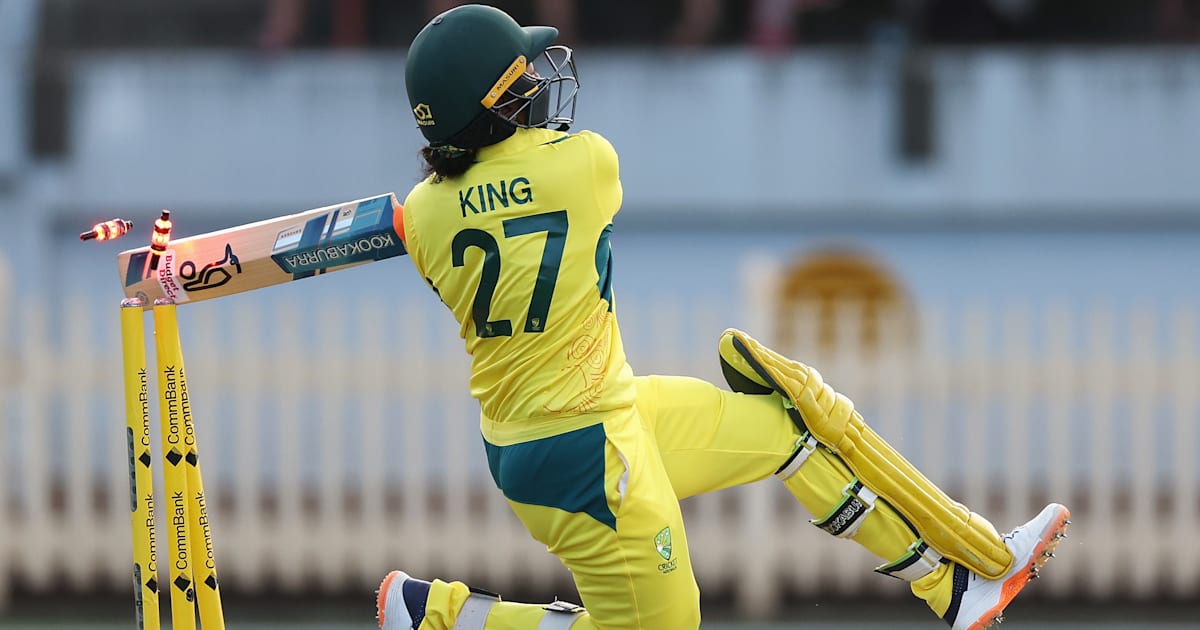
A hit-wicket dismissal occurs when a batsman accidentally breaks the stumps with their bat or body while attempting a shot. This type of out is relatively rare and often results from a batsman’s miscalculation.
Key Features:
- Can happen during a shot or while taking a stance.
- The batsman must be in the act of playing the ball.
Personal Insight:
I remember a match where a batsman, trying to play an aggressive shot, accidentally hit the stumps with his bat. The moment was both hilarious and unfortunate, reminding everyone of the fine line between success and failure in cricket.
Pros and Cons:
- Pros: Adds an element of unpredictability to the game.
- Cons: Can be embarrassing for the batsman.
Ideal Users:
- For batsmen looking to maintain better awareness of their positioning.

Source: en.wikipedia.org
7. Obstructing the Field
A batsman can be given out for obstructing the field if they deliberately block the ball with their body or bat while attempting to avoid being run out. This type of dismissal is rare and often controversial.
Key Features:
- The batsman must have deliberately obstructed the ball.
- This rule is often subject to interpretation by the umpire.
Personal Insight:
In a tense match, I witnessed a batsman who, while trying to evade a throw, inadvertently blocked the ball with his body. The umpire had to make a tough call, which sparked discussions among spectators about the spirit of the game.
Pros and Cons:
- Pros: Encourages fair play and sportsmanship.
- Cons: Can lead to disagreements on the field.
Ideal Users:
- For players wanting to understand the rules of obstruction.
Source: www.olympics.com
8. Timed Out
A batsman can be given out timed out if they fail to be ready to face the next delivery within three minutes of the previous batsman getting out. This rule is rarely enforced but emphasizes the importance of maintaining the pace of the game.
Key Features:
- The incoming batsman must be ready within three minutes.
- Applies only to the next batsman in line.
Personal Insight:
In a local game, I once saw a batsman take too long to get to the crease and was subsequently given out timed out. It was a surprising moment that reminded everyone of the importance of being prepared.
Pros and Cons:
- Pros: Keeps the game flowing.
- Cons: Can be seen as harsh in certain situations.
Ideal Users:
- For teams focusing on maintaining game momentum.

Source: www.instagram.com
9. Retired Out
A batsman can choose to retire out, which means they leave the field voluntarily and cannot return. This can happen due to injury or other personal reasons. However, it’s important to note that this is not a common way to get out.
Key Features:
- The batsman must inform the umpire before retiring.
- They cannot return to bat once retired out.
Personal Insight:
I once played in a match where a batsman had to retire out due to a minor injury. It was a tough decision, but it highlighted the importance of player safety over the game.
Pros and Cons:
- Pros: Prioritizes player health.
- Cons: Can be disappointing for the team.
Ideal Users:
- For players to understand the implications of retiring out.
Source: www.olympics.com
10. No Ball and Free Hit
While not a traditional out, a no-ball can lead to a batsman being dismissed on a free hit. If a bowler delivers a no-ball, the next ball is a free hit, and the batsman cannot be out in most ways, except for being run out or obstructing the field.
Key Features:
- A no-ball can lead to a free hit.
- The batsman cannot be out in most ways during a free hit.
Personal Insight:
I remember a match where a bowler overstepped, resulting in a no-ball. The batsman capitalized on the free hit and hit a massive six. It was a reminder of how crucial every delivery can be.
Pros and Cons:
- Pros: Adds excitement to the game.
- Cons: Can lead to confusion regarding the rules.
Ideal Users:
- For bowlers to understand the implications of delivering no-balls.
Frequently Asked Questions about 10 Types Of Cricket Outs
What is the most common type of dismissal in cricket?
The most common type of dismissal is caught, where a fielder catches the ball before it touches the ground.
Can a batsman be out if the ball hits their body?
Yes, if the ball hits the batsman's body and it would have gone on to hit the stumps, they can be given out LBW.
What happens if a batsman is timed out?
If a batsman is timed out, they are declared out, and the next batsman must come in.
Is stumping the same as run-out?
No, stumping specifically involves the wicketkeeper breaking the stumps while the batsman is out of their crease, whereas a run-out can occur with any fielder.
Can a batsman return after retiring out?
No, once a batsman retires out, they cannot return to bat.
Conclusion
Understanding the 10 types of cricket outs is essential for anyone interested in the game. Each dismissal has its own nuances and can significantly impact the outcome of a match. Whether you're a player looking to improve your skills or a fan wanting to deepen your appreciation for the sport, knowledge of these outs will enhance your cricket experience.
As I reflect on my journey through cricket, I encourage you to explore these dismissals further. Whether you’re playing in a local league or watching a professional match, keep an eye out for these types of outs, and you’ll gain a new level of appreciation for the sport.
If you found this article helpful, consider exploring additional resources, subscribing for more cricket content, or leaving a comment with your thoughts and experiences!

Mayank Chaudhary is a former Indian domestic cricketer, now working as a cricket analyst. With years of on-field experience and deep insight into the dynamics of the game and the world of cricket betting, he now shares his expertise to help fellow cricket enthusiasts make smarter, more informed bets. Learn more on the About Me page.