

Cricket, a sport steeped in tradition and history, has seen various innovations over the years, but none have been as critical to player safety as the cricket helmet. The history of the cricket helmet is not just a tale of protective gear; it's a narrative of how the sport has evolved in response to the increasing speed and aggression of the game. As I reflect on the journey of the cricket helmet, I’m drawn to the pivotal moments that shaped its design and functionality. This article will take you through the fascinating history of the cricket helmet, exploring its origins, technological advancements, and the ongoing debates surrounding its use. So, grab your favorite beverage, settle in, and let's explore this essential piece of cricket gear together.
Source: en.wikipedia.org
The Origins of the Cricket Helmet
The cricket helmet's journey began in the late 20th century, a time when the game was evolving rapidly. Before the introduction of helmets, players relied on traditional headgear, which provided minimal protection. The first recorded instance of a protective helmet used in cricket dates back to the 1970s, when Australian cricketer Graham Yallop experimented with a modified rugby helmet. This innovation was a response to the increasing speed of fast bowlers, who could deliver the ball at speeds exceeding 90 mph.
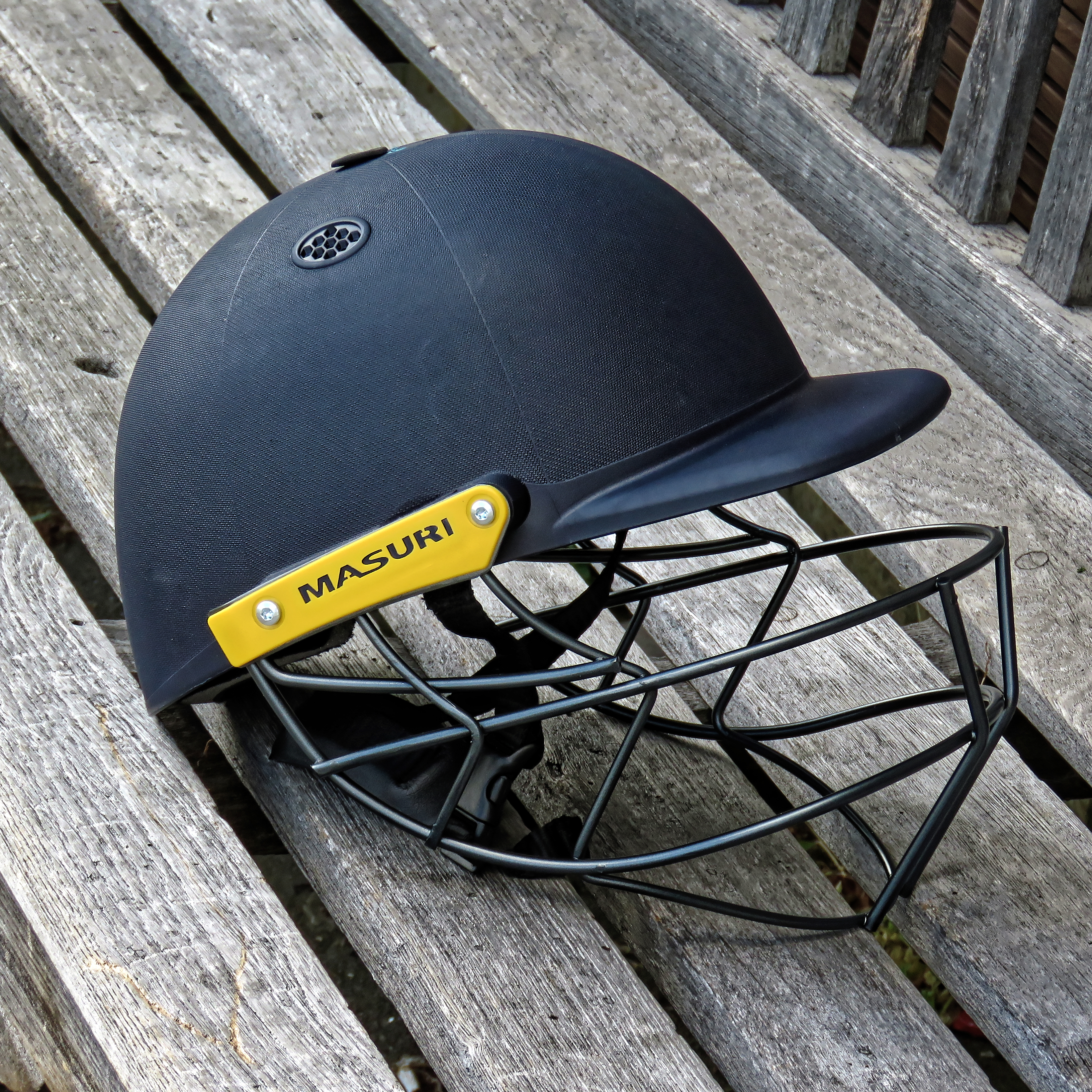
In 1978, the first commercially available cricket helmet was introduced by British manufacturer, "Masuri." This helmet featured a hard outer shell and a grille to protect the face, marking a significant advancement in player safety. The innovation quickly gained traction, and by the early 1980s, helmets became a common sight on the cricket field.

Source: www.youtube.com
The Need for Protection
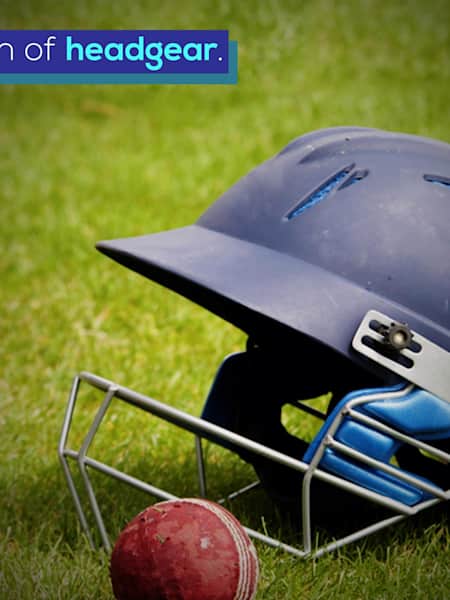
The necessity for helmets became even more apparent after a series of tragic incidents in cricket history. One of the most notable was the death of Phillip Hughes in 2014, who suffered a fatal injury after being struck on the neck by a bouncer. Such incidents highlighted the urgent need for better protective gear and led to further advancements in helmet technology.
I remember watching that match and feeling a wave of disbelief and sorrow wash over me. It was a stark reminder of the dangers players face on the field, and it fueled discussions about the importance of safety equipment in cricket.
Source: www.redbull.com
Evolution of Helmet Design
As the game progressed, so did the design of cricket helmets. The initial models were often bulky and uncomfortable, but manufacturers began to focus on creating lightweight and aerodynamic designs. By the 1990s, helmets featured improved padding and ventilation systems, making them more comfortable for players.
Key Innovations in Helmet Technology
-
Material Advancements: Early helmets were made from fiberglass, which was heavy and less effective at absorbing impact. The introduction of polycarbonate and other advanced materials transformed helmet design, making them lighter and more protective.
-
Grille Design: The grille, which protects the face, has also undergone significant changes. Manufacturers started using stronger materials and refined the grille's shape to enhance visibility and protection.
-
Custom Fit: One of the most significant advancements has been the ability for players to customize their helmets. This includes adjustable padding and personalized fit options, ensuring that each player can achieve maximum comfort and protection.
-
Safety Standards: Organizations like the International Cricket Council (ICC) have established safety standards for helmets, ensuring that manufacturers adhere to rigorous testing protocols. This has led to a marked improvement in the quality and reliability of cricket helmets.

Source: m.facebook.com
The Role of Technology in Modern Helmets
In recent years, technology has played a vital role in enhancing the safety and performance of cricket helmets. Innovations such as impact sensors and advanced padding systems are becoming more common. These technologies provide real-time feedback on impacts, allowing players and coaches to make informed decisions about safety.
Impact Sensors
Some modern helmets are equipped with impact sensors that measure the force of a blow to the head. This data can be invaluable for assessing whether a player should continue in a match or seek medical attention. I find this integration of technology fascinating; it’s like having a personal safety assistant on the field.
Advanced Padding Systems
The development of advanced padding systems has also improved helmet safety. These systems use multiple layers of foam and energy-absorbing materials to dissipate the force of impacts more effectively. Some helmets even incorporate materials that harden upon impact, providing an extra layer of protection.

Source: sklep.kagero.pl
The Debate Over Helmet Use
Despite the advancements in helmet technology, there remains a significant debate within the cricket community about the necessity and effectiveness of helmets. Some players argue that wearing a helmet can lead to a false sense of security, potentially causing them to take risks they might otherwise avoid.
The Case for Helmets
Proponents of helmet use emphasize the importance of safety. They argue that the risks associated with fast bowling and bouncers make helmets an essential piece of equipment. Moreover, the tragic incidents in cricket history have underscored the need for protective gear.
The Counterargument
On the other hand, some players advocate for a return to traditional batting without helmets. They argue that helmets can obstruct peripheral vision and hinder a player's ability to judge the speed and trajectory of the ball. I can understand this perspective, as cricket is a game of split-second decisions, and any distraction can be detrimental.

Source: en.wikipedia.org
FAQs About the History of Cricket Helmet
1. When was the first cricket helmet introduced?
The first commercially available cricket helmet was introduced in 1978 by British manufacturer Masuri.
2. Why are helmets important in cricket?
Helmets protect players from head injuries caused by fast-moving cricket balls, which can exceed speeds of 90 mph.
3. What materials are modern cricket helmets made from?
Modern cricket helmets are typically made from lightweight materials such as polycarbonate and feature advanced padding systems for better impact absorption.
4. Are there safety standards for cricket helmets?
Yes, organizations like the International Cricket Council (ICC) have established safety standards that manufacturers must meet to ensure helmet reliability and protection.
5. Can wearing a helmet lead to a false sense of security?
Some players believe that wearing a helmet might encourage them to take unnecessary risks, as they may feel overconfident about their safety.

Source: www.youtube.com
Conclusion
The history of the cricket helmet is a testament to the sport's commitment to player safety. From its humble beginnings to the advanced designs we see today, the evolution of the cricket helmet has been driven by necessity and innovation. As I reflect on this journey, I'm reminded of the importance of safety in sports and the ongoing need for advancements in protective gear.
I encourage you to stay informed about the latest developments in helmet technology and player safety. Whether you're a player, a coach, or a fan, understanding the history of the cricket helmet can enhance your appreciation for the game. Explore additional resources, engage with fellow enthusiasts, and consider how you can contribute to the ongoing conversation about safety in cricket.

Mayank Chaudhary is a former Indian domestic cricketer, now working as a cricket analyst. With years of on-field experience and deep insight into the dynamics of the game and the world of cricket betting, he now shares his expertise to help fellow cricket enthusiasts make smarter, more informed bets. Learn more on the About Me page.