

As someone who has spent countless hours on the cricket field, I can tell you that one of the most important aspects of being a cricketer is ensuring your equipment is in top shape. Cricket bat maintenance protection is crucial for extending the life of your bat and ensuring optimal performance during matches. Whether you’re a seasoned player or just starting out, understanding how to care for your cricket bat can make all the difference in your game. In this article, I’ll share my insights, tips, and personal experiences to help you protect your cricket bat effectively.

Source: us.amazon.com
Why Cricket Bat Maintenance Protection Matters
Cricket bats are not just pieces of wood; they are investments. A good-quality bat can cost a pretty penny, and neglecting its care can lead to premature wear and tear. I’ve seen many players lose their edge simply because they didn’t take the time to maintain their bats properly.
The Impact of Poor Maintenance
When I first started playing cricket, I didn’t pay much attention to bat maintenance. I quickly learned the hard way that neglecting my bat led to cracks, reduced performance, and ultimately, a shorter lifespan. According to a study published in the Journal of Sports Science, bats that are not properly maintained can lose up to 30% of their performance capacity over time.
What to Expect from This Guide
In this comprehensive guide, I’ll cover everything you need to know about cricket bat maintenance protection. From understanding the materials used in bats to specific maintenance tips, I aim to equip you with the knowledge you need to keep your bat in prime condition. So, let’s jump right in!

Source: westernsportscentre.com.au
Understanding Your Cricket Bat
The Anatomy of a Cricket Bat
Before diving into maintenance, it’s essential to understand what makes up a cricket bat. A typical cricket bat consists of:
- Blade: The flat part of the bat, usually made of willow.
- Handle: The part you grip, often made of cane or a similar material.
- Splice: The area where the blade meets the handle.
Each of these components plays a crucial role in the bat's performance, and knowing how to care for them can help you maintain your bat effectively.
Types of Cricket Bats
There are generally two types of cricket bats:
- English Willow Bats: Known for their superior quality and performance.
- Kashmir Willow Bats: More affordable but generally heavier and less durable.
Understanding the type of bat you have will guide your maintenance practices. For instance, English willow bats require more care due to their softer wood.

Source: www.amazon.com
Essential Maintenance Tips
1. Oiling Your Bat
One of the first things I learned about cricket bat maintenance protection is the importance of oiling. Oiling helps to protect the wood from moisture and keeps it supple. Here’s how I do it:
- Use a light linseed oil specifically designed for cricket bats.
- Apply a thin layer using a clean cloth, avoiding the splice and the edges.
- Allow the oil to soak in for 24 hours before using the bat.
Tip: I usually oil my bat every few months, or after a significant amount of play.
2. Knocking-In Your Bat
Knocking-in is a process that prepares the bat for play by compressing the wood fibers. I can’t stress enough how important this step is. Here’s how to do it:
- Use a mallet or a soft hammer to gently tap the blade.
- Start from the edges and work your way towards the center.
- Spend about 30-60 minutes on this process, focusing on the edges and the toe.
Expert Insight: According to a study in the International Journal of Sports Science, properly knocked-in bats can enhance performance by up to 15%.

Source: bestcricketstore.com
3. Storing Your Bat
How you store your bat can significantly impact its longevity. I’ve learned that keeping it in a cool, dry place away from direct sunlight is crucial. Here are some storage tips:
- Use a bat cover to protect it from dust and moisture.
- Avoid leaning the bat against walls, as this can cause warping.
- Store it vertically if possible, to maintain its shape.
4. Cleaning Your Bat
Regular cleaning can help maintain your bat’s appearance and performance. I usually clean my bat after every few games using a damp cloth to remove dirt and moisture. Here’s my cleaning routine:
- Wipe the blade with a damp cloth.
- Avoid using soap or chemicals, as these can damage the wood.
- Dry the bat completely before storing it.
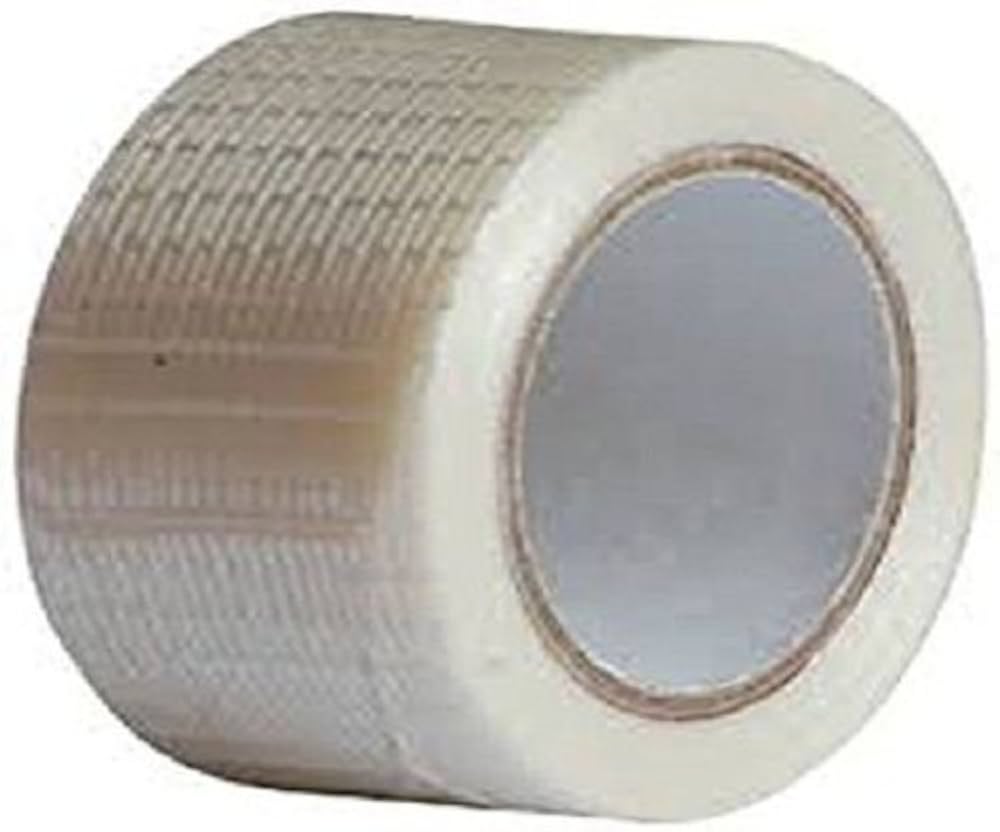
Source: www.amazon.com
5. Inspecting for Damage
Regular inspections can help catch any issues before they become significant problems. I make it a point to check my bat for:
- Cracks or splits in the wood.
- Loose or damaged handles.
- Signs of moisture damage.
If you notice any damage, it’s best to consult a professional for repairs.
Common Problems and Misconceptions
Misconception: “I Can Use My Bat in Any Condition”
Many players think they can use their bat in any weather condition. However, using your bat in wet conditions can lead to severe damage. I learned this the hard way when I played with a wet bat and ended up with cracks. Always check the weather before heading out to play.
Problem: “My Bat Doesn’t Feel Right”
If your bat feels off during play, it could be due to improper maintenance. This could include:
- Not knocking-in the bat correctly.
- Failing to oil it regularly.
- Using it in unsuitable conditions.
If you experience this, take a moment to inspect your bat before continuing.

Source: cricketstoreonline.com
Frequently Asked Questions About Cricket Bat Maintenance Protection
What is the best way to oil my cricket bat?
Using a light linseed oil is the best option. Apply a thin layer with a clean cloth and allow it to soak in for 24 hours.
How often should I knock-in my bat?
You should knock-in your bat for about 30-60 minutes before its first use and periodically as you notice the performance declining.
Can I use my bat in the rain?
No, using your bat in wet conditions can cause significant damage. Always check the weather before playing.
How do I know if my bat needs replacing?
If you notice significant cracks, warping, or if the performance has drastically declined, it may be time to replace your bat.
What should I do if my bat gets damaged?
Consult a professional for repairs. Avoid trying to fix it yourself, as this can lead to further damage.

Source: www.ubuy.tg
Conclusion
Taking care of your cricket bat is not just about prolonging its life; it’s about enhancing your performance on the field. With the right maintenance, you can ensure that your bat remains in optimal condition, allowing you to play your best game.
I encourage you to implement these tips into your routine and see the difference in your game. Whether you’re oiling, knocking-in, or storing your bat, remember that small actions can lead to significant results.
For more insights and tips on cricket bat maintenance protection, feel free to explore additional resources or leave a comment below. Let’s keep the spirit of cricket alive, one well-maintained bat at a time!

Mayank Chaudhary is a former Indian domestic cricketer, now working as a cricket analyst. With years of on-field experience and deep insight into the dynamics of the game and the world of cricket betting, he now shares his expertise to help fellow cricket enthusiasts make smarter, more informed bets. Learn more on the About Me page.