

Cricket is more than just a sport; it's a passion that unites millions of fans across the globe. One of the most crucial elements of this game is the cricket pitch or field, where the action unfolds. Whether you're a player, a coach, or a fan, understanding the nuances of the cricket pitch or field can significantly enhance your appreciation of the game. In this article, I will take you through the various aspects of the cricket pitch or field, including its dimensions, types, maintenance, and how it influences gameplay. My goal is to provide you with a comprehensive guide that not only informs but also engages your interest in this beloved sport.

Source: en.wikipedia.org
What is a Cricket Pitch or Field?
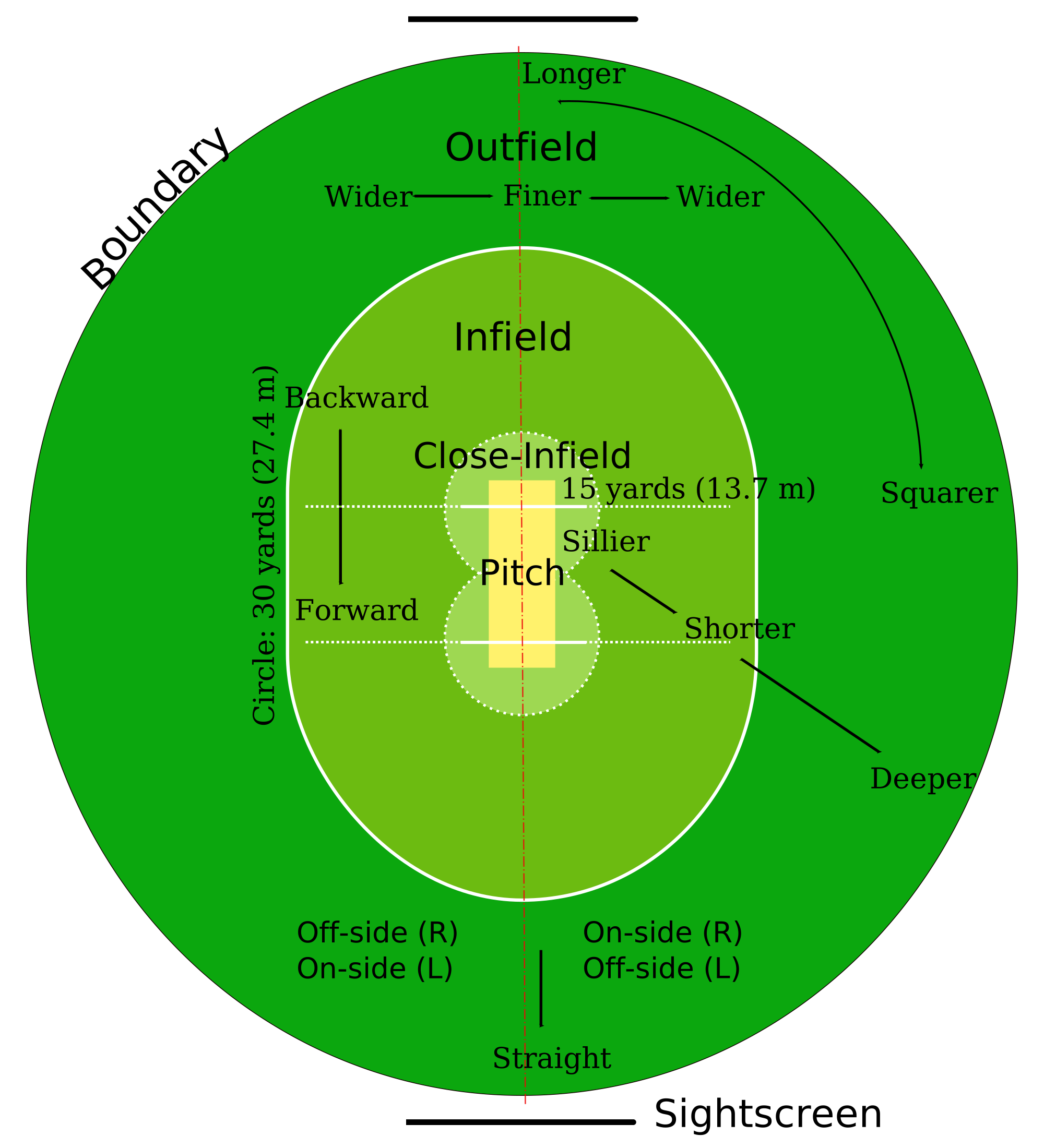
The cricket pitch or field is the heart of the game. The pitch itself is a rectangular area in the center of the field, measuring 22 yards long. It is where most of the action occurs, including bowling, batting, and fielding. The surrounding field is typically circular or oval, with boundaries marked for scoring. Understanding the intricacies of the cricket pitch or field is essential for anyone looking to appreciate the game fully.
The Dimensions of a Cricket Pitch
The dimensions of a cricket pitch are standardized by the International Cricket Council (ICC). Here’s a breakdown of its key features:
- Length: The pitch is 22 yards long (20.12 meters).
- Width: The width of the pitch is 10 feet (3.05 meters).
- Bowling Crease: Located at each end of the pitch, this is a line that bowlers must not cross while delivering the ball.
- Popping Crease: This line is crucial for the batsman to reach safety when running between the wickets.
- Return Crease: These lines run perpendicular to the pitch and mark the area within which bowlers must deliver the ball.
Understanding these dimensions helps players strategize better and enhances their gameplay.
Types of Cricket Pitches
Not all cricket pitches are created equal. Depending on the type of soil, weather conditions, and maintenance, pitches can vary significantly. Here are the main types of cricket pitches:
-
Green Pitch:
- Description: Has a layer of grass that provides extra bounce and seam movement.
- Ideal For: Fast bowlers who can exploit the conditions.
-
Dry Pitch:
- Description: Lacks grass and tends to crack as it dries out.
- Ideal For: Spin bowlers who can take advantage of the rough patches.
-
Dusty Pitch:
- Description: Dry and dusty, often found in subcontinental countries.
- Ideal For: Spinners and batsmen who can play spin well.
-
Flat Pitch:
- Description: Even and hard, offering consistent bounce.
- Ideal For: Batsmen who prefer a good batting surface.
Understanding these pitch types can help players and coaches make informed decisions about team selection and game strategy.

Source: www.researchgate.net
The Importance of Pitch Maintenance
Maintaining the cricket pitch or field is crucial for ensuring fair play and enhancing the quality of the game. A well-maintained pitch can significantly influence the match's outcome. Here are some key maintenance practices:
Regular Rolling
Rolling the pitch helps to compact the soil and create a smoother surface. This process is essential for maintaining consistent bounce and minimizing uneven patches.
Watering
Keeping the pitch adequately hydrated is vital, especially in hot weather. However, overwatering can lead to a muddy surface, which is not ideal for play.
Mowing
Regular mowing of the grass on the pitch can help maintain its condition. Different lengths of grass can influence how the ball behaves, making it essential to keep it at an optimal height.
Marking Creases
Regularly marking the creases ensures that players have clear boundaries to adhere to during play. This practice is essential for maintaining the integrity of the game.
By understanding these maintenance practices, players and coaches can appreciate the effort that goes into preparing a pitch for a match.
The Role of the Outfield
While the pitch is vital, the outfield also plays a significant role in cricket. The outfield is the grassy area surrounding the pitch and is crucial for fielding and running between the wickets. Here are some considerations regarding the outfield:
- Grass Length: The length of the grass can affect the speed of the ball. A well-manicured outfield allows for quicker ball movement, which can influence scoring.
- Fielding Positions: Understanding the layout of the outfield helps players position themselves effectively during play.
- Boundary Markings: Knowing the boundary lines is essential for fielders to prevent boundaries and for batsmen to gauge their shots.

Source: en.wikipedia.org
How the Pitch Affects Gameplay
The cricket pitch or field significantly influences the game's dynamics. Here’s how:
Bowler's Strategy
The type of pitch can dictate a bowler's strategy. For instance, on a green pitch, fast bowlers may focus on seam movement, while spinners might target dry pitches to exploit cracks.
Batsman's Approach
Batsmen must adapt their techniques based on the pitch conditions. On a bouncy pitch, they may need to play more cautiously, while on a flat pitch, they can play more aggressively.
Match Outcomes
The condition of the pitch can often determine the outcome of a match. For example, a dry pitch may favor spin bowlers, leading to lower scores for the batting side.
Weather Impact
Weather conditions can also affect the pitch. Rain can make a pitch soft and slow, while hot weather can dry it out, leading to cracks. Understanding these dynamics helps players and fans appreciate the strategic elements of the game.

Source: www.researchgate.net
Common Misconceptions About Cricket Pitches
As an enthusiastic cricket follower, I've encountered several misconceptions regarding cricket pitches. Here are a few and the truths behind them:
Misconception 1: All Pitches Are the Same
Truth: Pitches vary significantly based on location, weather, and maintenance. Each pitch has its unique characteristics that can influence the game.
Misconception 2: Only Fast Bowlers Benefit from Green Pitches
Truth: While green pitches favor fast bowlers, they can also present challenges for batsmen, making it a balanced contest.
Misconception 3: A Dry Pitch Is Always Bad for Batsmen
Truth: A dry pitch can be advantageous for batsmen who can play spin well, allowing for higher scores.
Misconception 4: Pitch Maintenance Is Not Important
Truth: Proper maintenance is crucial for fair play and quality matches. Neglecting pitch care can lead to uneven surfaces and affect gameplay.
Misconception 5: The Outfield Doesn't Matter
Truth: The outfield plays a significant role in fielding and running. Its condition can influence scoring and overall match dynamics.
By debunking these misconceptions, I hope to provide a clearer picture of the importance of the cricket pitch or field.
Source: en.wikipedia.org
Frequently Asked Questions about Cricket Pitch or Field
What is the standard size of a cricket pitch?
The standard size of a cricket pitch is 22 yards long and 10 feet wide.
How does the type of pitch affect the game?
The type of pitch can influence bowler strategies, batsman techniques, and overall match outcomes.
What maintenance practices are essential for a cricket pitch?
Key maintenance practices include regular rolling, watering, mowing, and marking creases.
Can weather conditions affect the pitch?
Yes, weather conditions can significantly impact the pitch's behavior, affecting gameplay.
Why is the outfield important in cricket?
The outfield is crucial for fielding and running between the wickets, influencing scoring and match dynamics.

Source: m.youtube.com
Conclusion
Understanding the cricket pitch or field is essential for anyone passionate about the game. From its dimensions and types to maintenance practices and gameplay impact, each aspect plays a vital role in shaping the match experience. I encourage you to take this knowledge to the next level by observing pitches during games, analyzing how they affect play, and sharing your insights with fellow cricket enthusiasts.
If you found this article helpful, explore additional resources on cricket, subscribe for more insights, or leave a comment with your thoughts. Your journey into the world of cricket pitch or field starts here!

Mayank Chaudhary is a former Indian domestic cricketer, now working as a cricket analyst. With years of on-field experience and deep insight into the dynamics of the game and the world of cricket betting, he now shares his expertise to help fellow cricket enthusiasts make smarter, more informed bets. Learn more on the About Me page.