

Cricket, a sport deeply ingrained in the culture of many countries, has evolved significantly over the years. One of the most intriguing aspects of modern cricket is the concept of Powerplay. Powerplay in cricket is a strategic phase that can dramatically influence the outcome of a match. As an avid cricket fan and player, I’ve witnessed firsthand how Powerplay can turn the tide in favor of one team or another. In this article, I’ll break down everything you need to know about Powerplay in cricket, including its rules, strategies, and impact on the game. So, let’s get started!

Source: www.zapcricket.com
What is Powerplay in Cricket?
Powerplay refers to specific overs in limited-overs formats of cricket, such as One Day Internationals (ODIs) and Twenty20 (T20) matches, where certain fielding restrictions apply. During Powerplay, the batting team has the opportunity to score runs more freely, while the bowling team faces limitations on how many fielders they can have outside the 30-yard circle.
The Structure of Powerplay
In ODIs, Powerplay is divided into three distinct phases:
-
Powerplay 1: The first 10 overs of the innings. During this phase, only two fielders are allowed outside the 30-yard circle. This encourages aggressive batting, as batsmen can take advantage of the gaps in the field.
-
Powerplay 2: Overs 11 to 40. In this phase, a maximum of four fielders can be outside the circle. The batting team still has the upper hand, but bowlers can strategize better with more fielders available to catch or stop runs.
-
Powerplay 3: The final 10 overs of the innings (overs 41 to 50). Here, up to five fielders can be outside the circle, allowing for more defensive strategies from the bowling side while still giving the batting team a chance to score quickly.
In T20 matches, the Powerplay structure is slightly different. The first six overs are designated as Powerplay, during which only two fielders are allowed outside the circle.
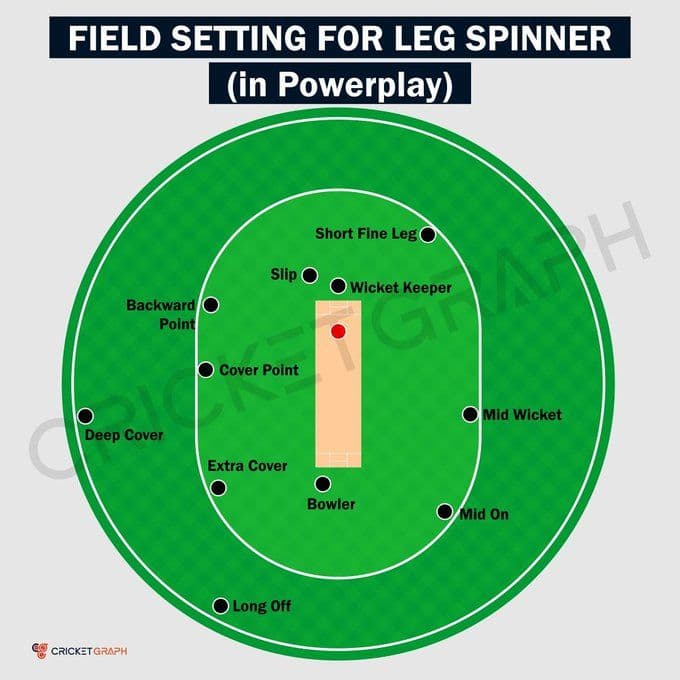
Source: www.sportsboom.com
The Importance of Powerplay in Cricket
Powerplay plays a crucial role in determining the tempo of a match. Here are some reasons why it is essential:
1. Encourages Aggressive Batting
During Powerplay, batsmen often take calculated risks to maximize their scoring potential. With fewer fielders in the deep, boundaries become easier to hit, and this can lead to explosive starts.
2. Sets the Tone for the Innings
A strong performance during Powerplay can set the tone for the rest of the innings. If the batting team capitalizes on the fielding restrictions, they can build a solid foundation for a high score.
3. Strategic Bowling Changes
Captains often use Powerplay to make strategic bowling changes. For example, they may introduce their best bowlers during Powerplay 1 to take early wickets or to maintain pressure on the batting side.
4. Psychological Advantage
A dominant Powerplay can create a psychological edge over the opposition. If a batting team scores heavily, it can demoralize the bowlers and fielders, making it easier for the batting side to continue scoring.

Source: news.bbc.co.uk
Strategies for Batting During Powerplay
As a cricket enthusiast, I’ve learned several strategies that can be effective during Powerplay. Here are some tips for batsmen to make the most of this phase:
1. Be Aggressive but Smart
While it’s essential to be aggressive during Powerplay, it’s equally important to choose your shots wisely. Look for gaps in the field and target those areas rather than going for every boundary.
2. Rotate the Strike
Maintaining a good strike rotation is crucial. By taking singles and twos, you can keep the scoreboard ticking and put pressure on the bowlers.
3. Build Partnerships
Establishing strong partnerships during Powerplay can be beneficial. Communicate effectively with your batting partner to capitalize on the field placements and create scoring opportunities.
4. Assess the Conditions
Pay attention to the pitch and weather conditions. If the pitch is conducive to scoring runs, take advantage of it. If not, adjust your strategy accordingly.
Source: www.quora.com
Strategies for Bowling During Powerplay
Bowling during Powerplay can be challenging due to the fielding restrictions. Here are some strategies bowlers can use:
1. Bowl to a Plan
Having a clear plan is essential. Decide on your line and length before the ball is bowled. Focus on bowling in areas that are difficult for batsmen to score.
2. Use Variation
Incorporating variations in pace and spin can confuse batsmen. Change your deliveries to keep them guessing and prevent them from settling into a rhythm.
3. Target the Stumps
Bowling full and targeting the stumps can lead to wickets. If the batsman is forced to play defensively, it increases the chances of getting them out.
4. Maintain Pressure
Consistently bowling dot balls can build pressure on the batting side. This can lead to mistakes and, ultimately, wickets.

Source: m.youtube.com
The Evolution of Powerplay Rules
Powerplay rules have evolved over the years to keep the game exciting and competitive. Initially, the concept was introduced in the 1990s, but it has undergone several changes to adapt to the evolving nature of cricket.
Historical Background
-
1992: The concept of Powerplay was first introduced in ODI cricket during the 1992 Cricket World Cup. It aimed to encourage more aggressive batting and make the game more entertaining.
-
2005: The rules were revised, introducing a more structured approach with designated Powerplay phases.
-
2011: The current format, which includes three Powerplay phases in ODIs, was established, further emphasizing the importance of this strategic element in the game.
Recent Changes and Their Impact
As of 2025, cricket boards have continued to tweak Powerplay rules to maintain the balance between bat and ball. The introduction of new technologies, such as DRS (Decision Review System), has also impacted how teams approach Powerplay.

Source: blog.cricheroes.com
Common Misconceptions About Powerplay
Despite its significance, there are several misconceptions about Powerplay that I’ve encountered over the years. Here are a few:
1. Powerplay is Only About Batting
While Powerplay does favor the batting side, it is also a critical phase for bowlers. Skilled bowlers can exploit the fielding restrictions to take wickets and turn the game around.
2. Powerplay Guarantees High Scores
Many fans believe that Powerplay will always lead to high scores. However, if the bowling team executes their strategies effectively, they can restrict runs and take crucial wickets.
3. All Batsmen Excel During Powerplay
Not all batsmen are comfortable in Powerplay. Some may struggle with the pressure of aggressive bowling or the need to score quickly. Each player has their strengths and weaknesses, which can affect their performance during this phase.
Source: www.quora.com
Frequently Asked Questions about Powerplay in Cricket
1. What is the duration of Powerplay in T20 matches?
In T20 matches, the Powerplay lasts for the first six overs of the innings.
2. How many fielders can be outside the circle during Powerplay 1 in ODIs?
During Powerplay 1 in ODIs, only two fielders are allowed outside the 30-yard circle.
3. Can a team score runs freely during Powerplay?
While Powerplay provides opportunities for aggressive batting, bowlers can still restrict runs if they bowl effectively.
4. How does Powerplay affect match outcomes?
Powerplay can significantly influence match outcomes by setting the tone for the innings and creating pressure on the opposition.
5. Are there any specific strategies for Powerplay in women's cricket?
Yes, the strategies for Powerplay in women's cricket are similar to those in men's cricket, but teams may adapt their approaches based on the players' strengths and weaknesses.

Source: www.tiktok.com
Conclusion
Powerplay in cricket is an exciting and strategic element that can dictate the flow of a match. Whether you’re a player or a fan, understanding how to leverage Powerplay can enhance your appreciation of the game. I encourage you to watch matches closely and analyze how teams approach this critical phase. By doing so, you’ll gain valuable insights that can improve your own gameplay or enhance your viewing experience.
If you found this guide helpful, I invite you to explore more cricket resources, subscribe to my blog, or leave a comment with your thoughts on Powerplay. Let’s keep the conversation going!

Mayank Chaudhary is a former Indian domestic cricketer, now working as a cricket analyst. With years of on-field experience and deep insight into the dynamics of the game and the world of cricket betting, he now shares his expertise to help fellow cricket enthusiasts make smarter, more informed bets. Learn more on the About Me page.