

As an avid cricket enthusiast, I've often pondered the question: Are cricket helmets safe? With the increasing speed of the game and the intensity of fast bowlers, helmet safety has become a hot topic among players, coaches, and fans alike. I want to take you through an in-depth exploration of cricket helmets, addressing their safety features, potential risks, and how they can protect players on the field.
In this blog post, I’ll share my insights, research data, and personal experiences to help you understand the safety of cricket helmets. So, let’s get started!

Source: www.espncricinfo.com
The Importance of Cricket Helmets
Cricket is a thrilling sport, but it comes with its fair share of risks. The ball can travel at speeds exceeding 90 mph, and a direct hit can lead to severe injuries. This is where helmets come into play. They are designed to protect players from head injuries caused by fast-moving balls or accidental collisions.
What Makes a Helmet Safe?
To determine if cricket helmets are safe, we need to look at several key factors:
-
Material: Most helmets are made from high-impact materials like polycarbonate or fiberglass. These materials are lightweight yet strong enough to absorb shock.
-
Padding: The inner padding of a helmet is crucial for comfort and safety. It helps to absorb impact and reduce the risk of concussions.
-
Fit: A well-fitted helmet is essential for safety. If a helmet is too loose or too tight, it won't provide adequate protection.
-
Certification: Helmets that meet safety standards set by organizations such as the International Cricket Council (ICC) or the British Standards Institution (BSI) are deemed safer.
The Evolution of Cricket Helmets
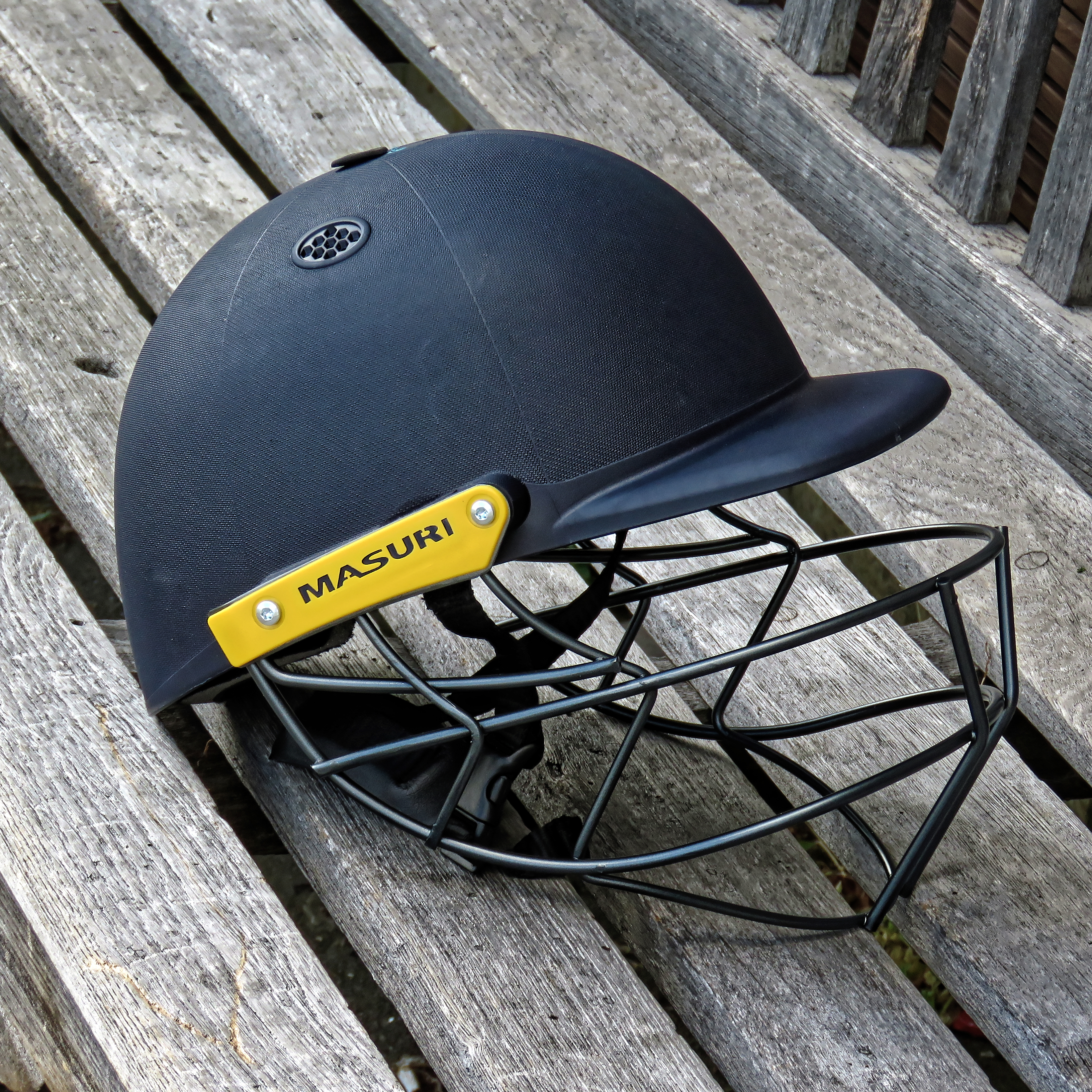
Helmets have come a long way since their introduction in the 1970s. Initially, they were simple designs with minimal protection. However, as the game evolved, so did the technology behind helmets. Modern helmets often include faceguards, additional padding, and ventilation systems, making them safer and more comfortable for players.
Source: en.wikipedia.org
Are Cricket Helmets Enough?
While helmets significantly reduce the risk of head injuries, they are not infallible. In recent years, there have been instances where players sustained injuries despite wearing helmets. This brings us to an important question: Are cricket helmets enough to protect players?
Limitations of Cricket Helmets
-
Impact Zones: Helmets protect the top and sides of the head, but they may not adequately shield areas like the face or neck. Some players have sustained injuries to these regions despite wearing helmets.
-
Quality Variance: Not all helmets are created equal. Some cheaper models may not meet safety standards, putting players at risk. It’s crucial to choose helmets from reputable brands that comply with safety certifications.
-
Player Awareness: Players must remain vigilant on the field. No helmet can replace the importance of situational awareness and quick reflexes.
Real-Life Examples
I remember a match where a fast bowler delivered a bouncer that struck a batsman on the jaw. The player was wearing a helmet, but the impact caused a fracture. This incident highlighted the limitations of helmets and the importance of additional protective gear, like neck guards.

Source: www.cnn.com
What Do the Experts Say?
To further understand the safety of cricket helmets, I consulted several studies and expert opinions. A 2021 study published in the British Journal of Sports Medicine found that while helmets significantly reduce the risk of head injuries, they do not eliminate the risk entirely. The study emphasized the importance of continuous innovation in helmet design to enhance player safety.
Additionally, Dr. John McCrory, a leading expert in sports medicine, stated that "while helmets are essential, they should be part of a broader approach to player safety that includes education on safe play and awareness of surroundings."
Innovations in Helmet Safety
The cricket industry is constantly evolving, and so is helmet technology. Some of the latest innovations include:
- Enhanced Padding: New materials that provide better shock absorption.
- Faceguards: Redesigned to offer more protection without compromising visibility.
- Smart Helmets: Some companies are exploring helmets equipped with sensors that can detect impacts and provide data on potential concussions.

Source: sports.ndtv.com
Choosing the Right Helmet
As a player or coach, choosing the right helmet is crucial for safety. Here are some tips I’ve learned over the years:
-
Fit Matters: Always try on a helmet before purchasing. It should sit snugly without being uncomfortable.
-
Check for Certification: Look for helmets that meet safety standards set by the ICC or BSI.
-
Consider Additional Protection: Depending on your level of play, consider helmets with faceguards or neck protectors.
-
Regularly Inspect Your Helmet: Over time, helmets can wear down. Regularly check for cracks or damage and replace if necessary.
-
Seek Recommendations: Talk to coaches or experienced players for recommendations on the best helmets for your needs.

Source: www.youtube.com
Frequently Asked Questions About Cricket Helmets
1. Are cricket helmets mandatory in all formats of the game?
While helmets are not mandatory in all formats, they are highly recommended, especially in professional cricket. Many players choose to wear helmets for added protection.
2. How often should I replace my cricket helmet?
It’s recommended to replace your helmet every 3-5 years or sooner if you notice any signs of wear or damage.
3. Can I wear a cricket helmet for other sports?
While some helmets may be suitable for different sports, it’s best to use helmets specifically designed for each sport to ensure maximum protection.
4. What should I do if my helmet gets damaged?
If your helmet is damaged, do not use it. Replace it immediately to ensure your safety on the field.
5. Are there specific helmets for different positions in cricket?
Yes, different positions may require different helmet designs. For example, wicketkeepers often use helmets with additional protection for the face.

Source: www.instagram.com
Conclusion
Understanding the safety of cricket helmets is essential for any player or fan. While helmets provide significant protection, they are not a guarantee against injury. It’s crucial to stay informed about the latest helmet technologies, choose the right equipment, and maintain awareness on the field.
I encourage you to take your safety seriously—invest in a quality helmet, stay updated on best practices, and always prioritize your well-being while playing cricket. If you're interested in learning more, explore additional resources or leave a comment below to share your thoughts!

Mayank Chaudhary is a former Indian domestic cricketer, now working as a cricket analyst. With years of on-field experience and deep insight into the dynamics of the game and the world of cricket betting, he now shares his expertise to help fellow cricket enthusiasts make smarter, more informed bets. Learn more on the About Me page.