

As a cricket enthusiast, I’ve always been captivated by the grandeur of cricket stadiums, especially in a cricket-loving nation like India. The biggest cricket stadiums in India not only host thrilling matches but also symbolize the spirit and passion of millions of fans. From the iconic Eden Gardens in Kolkata to the massive Narendra Modi Stadium in Ahmedabad, each venue has its own unique history, charm, and significance. In this article, I’m excited to take you on a journey through the biggest cricket stadiums in India, exploring their features, capacity, and the unforgettable moments they’ve hosted.

Source: panethos.wordpress.com
The Evolution of Cricket Stadiums in India
Cricket in India has evolved tremendously over the years, and so have its stadiums. Initially, matches were played in small grounds, but as the popularity of cricket soared, the need for larger venues became evident. Today, the biggest cricket stadiums in India not only accommodate vast audiences but also incorporate modern facilities and technology.
The architecture of these stadiums reflects a blend of tradition and innovation. Many of them have hosted international tournaments, including World Cups, showcasing the best of cricket to the world.
The Importance of Capacity in Cricket Stadiums
Capacity is a crucial aspect of any cricket stadium. The bigger the stadium, the more fans can enjoy the live action. This not only enhances the atmosphere but also provides a significant economic boost to the local community. For instance, the Narendra Modi Stadium in Ahmedabad, with a capacity of over 132,000, is a testament to how cricket can unite people and create unforgettable experiences.
Top Biggest Cricket Stadiums in India
Let’s delve into some of the biggest cricket stadiums in India, exploring their features and the historic matches they’ve hosted.
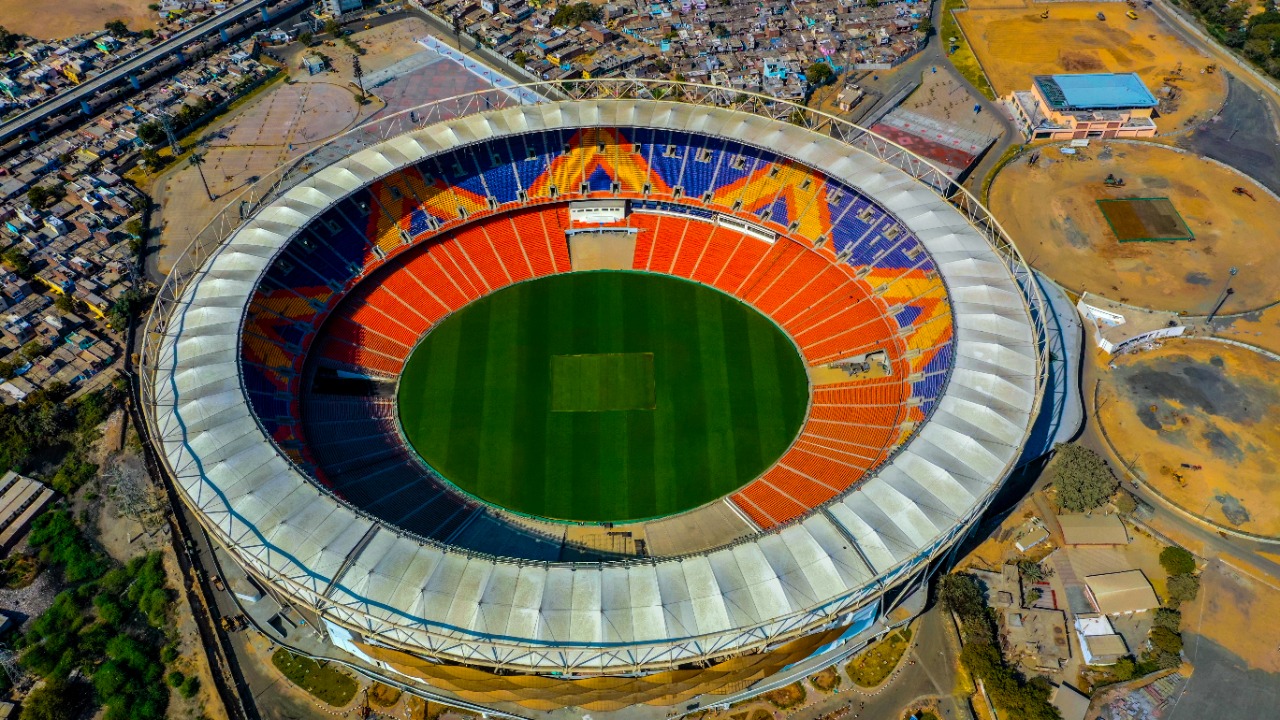
1. Narendra Modi Stadium, Ahmedabad
With a staggering capacity of 132,000, the Narendra Modi Stadium is the largest cricket stadium in the world. Opened in 2020, it replaced the Sardar Patel Stadium and has since hosted several high-profile matches, including the 2021 Test series against England.
Key Features:
- Capacity: 132,000
- Established: 2020
- Notable Matches: 2021 India vs. England Test Series, 2020 Day-Night Test against Australia.
Pros:
- State-of-the-art facilities.
- Excellent viewing angles from all seats.
- Modern amenities for players and fans.
Cons:
- High ticket prices for major events.
- Limited parking space during high-attendance matches.
Ideal Users: Cricket fans, tourists, and sports enthusiasts.

Source: www.designpataki.com
2. Eden Gardens, Kolkata
Eden Gardens is one of the oldest and most iconic cricket stadiums in India. Established in 1864, it has a seating capacity of approximately 66,000. The stadium is known for its electrifying atmosphere during matches, especially when Kolkata Knight Riders play in the Indian Premier League (IPL).
Key Features:
- Capacity: 66,000
- Established: 1864
- Notable Matches: 1983 World Cup Final, 2011 World Cup Semi-Final.
Pros:
- Rich history and tradition.
- Excellent crowd support.
- Beautifully maintained grounds.
Cons:
- Limited modern facilities compared to newer stadiums.
- Accessibility issues during peak times.
Ideal Users: History buffs, passionate cricket fans, and tourists.
3. M.A. Chidambaram Stadium, Chennai
Commonly known as Chepauk, the M.A. Chidambaram Stadium has a capacity of around 50,000. It’s one of the oldest stadiums in India and has been a witness to numerous historic matches, including the famous 2011 World Cup victory.
Key Features:
- Capacity: 50,000
- Established: 1916
- Notable Matches: 1986 India vs. Australia Test, 2011 World Cup matches.
Pros:
- Vibrant atmosphere.
- Strong local support for Chennai Super Kings.
Cons:
- Limited seating capacity compared to other stadiums.
- Older infrastructure.
Ideal Users: Local fans, cricket historians, and IPL enthusiasts.

Source: www.timesnownews.com
4. Wankhede Stadium, Mumbai
Wankhede Stadium, with a capacity of 33,000, is famous for hosting the 2011 World Cup Final, where India emerged victorious against Sri Lanka. The stadium is known for its enthusiastic crowd and vibrant atmosphere.
Key Features:
- Capacity: 33,000
- Established: 1975
- Notable Matches: 2011 World Cup Final, IPL matches.
Pros:
- Central location in Mumbai.
- Excellent facilities for players and fans.
Cons:
- Smaller capacity compared to other major stadiums.
- Limited parking facilities.
Ideal Users: Mumbai residents, cricket fans, and tourists.
5. Punjab Cricket Association IS Bindra Stadium, Mohali
The Punjab Cricket Association IS Bindra Stadium has a capacity of 26,000 and is known for its picturesque setting against the backdrop of the Punjab hills. It has hosted several international matches and is the home ground for Kings XI Punjab in the IPL.
Key Features:
- Capacity: 26,000
- Established: 1993
- Notable Matches: 2011 World Cup matches, 2007 T20 World Cup matches.
Pros:
- Beautiful scenery.
- Modern facilities.
Cons:
- Smaller capacity.
- Limited public transport options.
Ideal Users: Nature lovers, local fans, and cricket enthusiasts.

Source: www.zapcricket.com
The Impact of Cricket Stadiums on Local Economies
Cricket stadiums play a significant role in boosting local economies. They create jobs, promote tourism, and generate revenue through ticket sales, merchandise, and food services. For instance, the Narendra Modi Stadium has significantly contributed to the local economy of Ahmedabad by attracting tourists and cricket fans from around the world.
Economic Benefits
- Job Creation: Stadiums create numerous job opportunities ranging from security personnel to hospitality staff.
- Tourism Boost: Major matches attract tourists, contributing to local businesses like hotels and restaurants.
- Infrastructure Development: The presence of a large stadium often leads to improved transportation and infrastructure in the surrounding area.
Frequently Asked Questions About the Biggest Cricket Stadiums in India
What is the largest cricket stadium in India?
The largest cricket stadium in India is the Narendra Modi Stadium in Ahmedabad, with a capacity of 132,000.
Which cricket stadium has the most history?
Eden Gardens in Kolkata, established in 1864, is one of the oldest and most historic cricket stadiums in India.
How many cricket stadiums are there in India?
India has over 50 international cricket stadiums, with many more at the domestic level.
What is the capacity of Wankhede Stadium?
Wankhede Stadium in Mumbai has a seating capacity of approximately 33,000.
Which stadium hosted the 2011 World Cup Final?
The 2011 World Cup Final was held at Wankhede Stadium in Mumbai, where India defeated Sri Lanka.
Source: twitter.com
Conclusion
The biggest cricket stadiums in India are not just venues for matches; they are monumental structures that embody the passion and love for cricket in the country. From the grandeur of the Narendra Modi Stadium to the historic charm of Eden Gardens, each stadium tells a unique story.
As I reflect on the incredible experiences these stadiums offer, I encourage you to visit them if you get the chance. Whether you’re a die-hard cricket fan or a casual observer, the thrill of watching a live match in these iconic venues is an experience you won’t forget.
So, grab your tickets, cheer for your favorite team, and immerse yourself in the vibrant atmosphere of Indian cricket! For more insights, subscribe to my blog and stay updated on all things cricket.
Watch This Video on Biggest Cricket Stadiums In India

Mayank Chaudhary is a former Indian domestic cricketer, now working as a cricket analyst. With years of on-field experience and deep insight into the dynamics of the game and the world of cricket betting, he now shares his expertise to help fellow cricket enthusiasts make smarter, more informed bets. Learn more on the About Me page.