

Cricket is more than just a game; it's a passion that has captivated millions around the globe. At the heart of this beloved sport lies an essential piece of equipment: the cricket bat. The history of cricket bats is a fascinating tale that reflects the evolution of the game itself. From rudimentary wooden sticks to the high-tech bats we see today, the journey of the cricket bat is filled with innovation, craftsmanship, and a deep connection to the sport. Join me as I explore the rich history of cricket bats, sharing insights and stories that will deepen your appreciation for this iconic piece of sporting equipment.

Source: www.researchgate.net
The Early Days: Origins of the Cricket Bat
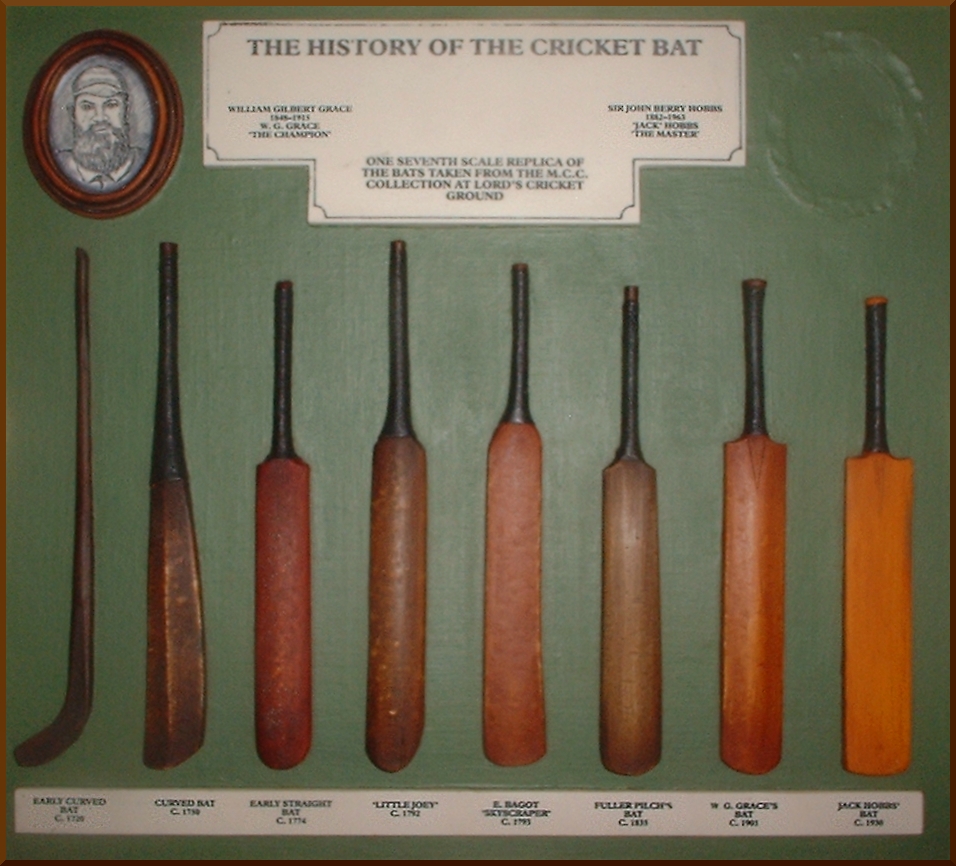
Cricket has roots that trace back to the 16th century in England, but the bat itself has undergone significant transformations throughout the years. Initially, players used a simple wooden stick to strike a ball made from a leather casing filled with wool or hair. The earliest recorded mention of a bat dates back to 1624, where it was described as a "crosse," resembling a hockey stick more than the flat-faced bats we know today.
The Transition to Flat Bats
By the late 17th century, the design of the cricket bat began to evolve. Players started to favor a flatter bat, which allowed for better control and power when hitting the ball. This transition was driven by the changing nature of the game, with bowlers beginning to deliver the ball with more speed and spin. The flat design provided players with a larger surface area to connect with the ball, marking a significant milestone in the history of cricket bats.

Source: m.youtube.com
The 18th Century: A Period of Refinement
As cricket gained popularity in the 18th century, so did the craftsmanship of cricket bats. Artisans began to specialize in bat-making, using high-quality willow wood to enhance performance. The use of willow became the standard due to its lightweight and shock-absorbing properties, making it the ideal material for bats.
The Influence of the Laws of Cricket
The establishment of the Laws of Cricket in 1744 further influenced bat design. These laws specified the dimensions of the bat, which helped standardize the equipment used in the game. During this time, bats were typically around 38 inches long and 4 inches wide. The shape of the bat also evolved, with a pronounced bow that allowed players to generate more power and control.

Source: cricketmost.weebly.com
The 19th Century: The Rise of Professional Cricket
The 19th century marked a turning point in the history of cricket bats, as the game transitioned from amateur to professional. The introduction of county cricket and the formation of the Marylebone Cricket Club (MCC) in 1787 played a crucial role in promoting the sport. As cricket became more competitive, players sought to improve their equipment, leading to innovations in bat design.
The Introduction of the "Round" Bat
In the early 1800s, a new design known as the "round bat" emerged. This bat featured a rounded face and a thicker edge, providing players with a larger sweet spot. The round bat allowed for greater power and control, making it a popular choice among professional cricketers. However, this design was short-lived, as players soon returned to the flatter design that offered better precision.

Source: commons.wikimedia.org
The 20th Century: Technological Advancements
The 20th century brought about significant advancements in technology, impacting the design and production of cricket bats. The introduction of new materials and manufacturing techniques allowed for greater customization and performance enhancement.
The Use of Modern Materials
In the latter half of the 20th century, manufacturers began experimenting with materials beyond traditional willow. The introduction of composite materials, such as fiberglass and carbon fiber, allowed for lighter and more durable bats. These innovations provided players with the ability to generate greater bat speed and power without sacrificing control.
The Role of Sponsorship and Branding
As cricket gained global popularity, sponsorship and branding became essential in the sport. Major bat manufacturers began to invest in marketing, leading to the rise of iconic brands such as Gray-Nicolls, Gunn & Moore, and Kookaburra. Players started endorsing specific bat models, further influencing consumer preferences and driving innovation in bat design.

Source: cricketmost.weebly.com
The 21st Century: The Age of Customization
Today, cricket bats are more personalized than ever, reflecting the unique playing styles of individual cricketers. Players can choose from a wide range of bat shapes, sizes, and weights to suit their preferences.
The Importance of Bat Fitting
Bat fitting has become a crucial aspect of modern cricket. Players now work closely with bat makers to find the perfect fit for their playing style. This personalized approach ensures that each bat is tailored to the player's needs, maximizing performance on the field.
The Impact of Technology on Bat Design
Advancements in technology continue to shape the future of cricket bats. Manufacturers are now utilizing computer-aided design (CAD) software to create bats with precise specifications. This technology allows for better quality control and consistency in bat production, ensuring that each bat meets the highest standards of performance.
Source: commons.wikimedia.org
Common Misconceptions About Cricket Bats
As I’ve explored the history of cricket bats, I’ve come across several misconceptions that are worth addressing. Here are a few that I frequently encounter:
Misconception 1: All Cricket Bats Are the Same
Many people believe that all cricket bats are created equal. However, the reality is that bats vary significantly in terms of weight, shape, and materials. Each player's style and preferences dictate the type of bat that will work best for them.
Misconception 2: Heavier Bats Are Always Better
Another common misconception is that heavier bats provide more power. While a heavier bat can generate more momentum, it may also hinder a player's ability to control their shots. The best bat is one that balances weight and maneuverability according to the player's skill level and style.
Misconception 3: The Price Determines Quality
While price can be an indicator of quality, it’s not always the case. Some mid-range bats can perform just as well as high-end models. It’s essential to consider the specific features and craftsmanship of a bat rather than solely relying on its price tag.

Source: medium.com
Frequently Asked Questions About the History Of Cricket Bats
What materials are cricket bats made from?
Cricket bats are primarily made from willow wood, known for its lightweight and shock-absorbing properties. Some manufacturers also use composite materials for added performance.
How has the design of cricket bats changed over time?
The design of cricket bats has evolved from simple wooden sticks to sophisticated pieces of equipment tailored to individual players. Innovations include the introduction of flatter faces, rounded edges, and the use of modern materials.
Why is willow the preferred material for cricket bats?
Willow is favored for its excellent shock absorption, lightweight nature, and durability. These characteristics make it ideal for withstanding the impact of a hard cricket ball.
How do I choose the right cricket bat for my playing style?
When selecting a cricket bat, consider factors such as weight, size, and shape. It's essential to find a bat that feels comfortable and suits your playing style. A bat fitting session with a professional can help you make the best choice.
Are there any specific maintenance tips for cricket bats?
To maintain your cricket bat, store it in a cool, dry place, and avoid exposing it to extreme temperatures. Regularly check for any signs of damage and apply linseed oil to the blade to keep the wood hydrated.
Conclusion
The history of cricket bats is a testament to the sport's evolution and the craftsmanship that goes into creating this essential piece of equipment. From its humble beginnings to the modern, personalized bats we see today, each era has contributed to the rich tapestry of cricket. As you step onto the field, remember that the bat in your hands carries a legacy of innovation and passion for the game.
I encourage you to explore different bat options and find one that resonates with your playing style. Whether you’re a seasoned player or just starting, understanding the history of cricket bats can enhance your appreciation for the sport. Don’t hesitate to share your thoughts or experiences in the comments below!

Mayank Chaudhary is a former Indian domestic cricketer, now working as a cricket analyst. With years of on-field experience and deep insight into the dynamics of the game and the world of cricket betting, he now shares his expertise to help fellow cricket enthusiasts make smarter, more informed bets. Learn more on the About Me page.