

Cricket is a game filled with excitement, strategy, and sometimes, unexpected endings. One of the most intriguing outcomes in the sport is the tied test match. Tied test matches are rare, thrilling, and a testament to the skill and determination of the teams involved. As a passionate cricket fan, I find the concept of tied test matches fascinating. They not only showcase the competitive spirit of the players but also leave fans on the edge of their seats. In this article, I will explore everything you need to know about tied test matches, including their history, significance, and memorable instances. So, let’s dive into the world of tied test matches and unravel their unique charm!

Source: www.facebook.com
What Are Tied Test Matches?
Tied test matches occur when both teams score an equal number of runs in their respective innings. In the context of test cricket, where matches can last up to five days, a tie is a rare and thrilling conclusion. Unlike limited-overs formats where ties can be resolved through super overs or other methods, a tied test match stands as a remarkable outcome that highlights the skill, determination, and sometimes, the sheer luck of the players involved.
The Significance of Tied Test Matches
Tied test matches hold a special place in cricket history. They remind us that the game can be incredibly close and that the outcome can hinge on the smallest of margins. For players, a tied match can be both a source of pride and a bittersweet experience. It showcases their abilities and resilience, but it also leaves them yearning for that final victory.
Additionally, tied test matches contribute to the narrative of cricket, adding layers of drama and excitement that fans cherish. They are conversations starters, often discussed in forums and cricketing communities long after the match has concluded.

Source: www.reddit.com
A Brief History of Tied Test Matches
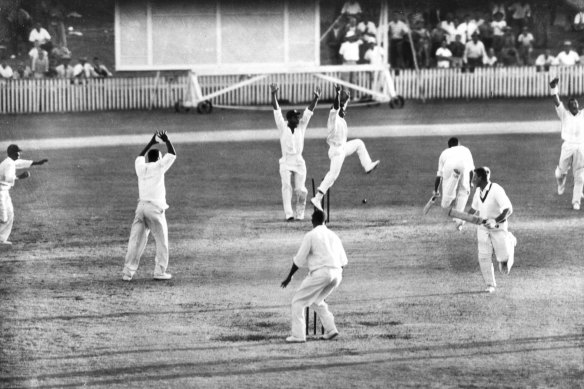
The first tied test match occurred in 1960 between Australia and India in the city of Kanpur. This match is often remembered for its thrilling finish, where both teams ended with scores of 232 runs. It marked a significant moment in cricket history, showcasing the competitive spirit of both teams. Since then, only one other tied test match has occurred, making them incredibly rare and special.
Memorable Tied Test Matches
-
The 1960 Kanpur Test: As mentioned earlier, this match set the precedent for tied tests. With a nail-biting finish, it remains etched in the memories of cricket enthusiasts.
-
The 1986 Test Match between Australia and India: This match had moments of brilliance from both sides, ultimately ending in a tie. The intensity of the match and the performances by legendary players like Kapil Dev and Allan Border made it a classic.
-
The 1993 Test Match between Australia and West Indies: Another thrilling encounter that ended in a tie, showcasing the fierce rivalry between these two cricketing giants.
These matches are not just statistics; they are stories of passion, perseverance, and the unpredictable nature of cricket.

Source: www.facebook.com
How Tied Test Matches Happen
To understand how tied test matches occur, we need to look at the structure of test cricket. Each team gets two innings to bat, and the objective is to score more runs than the opposing team. A tied match happens when both teams finish their innings with an equal score.
Factors Leading to a Tied Test Match
-
Equal Performance: Both teams must perform exceptionally well, demonstrating skill in batting, bowling, and fielding.
-
Weather Conditions: Sometimes, weather can play a role in the match's outcome. Rain interruptions may lead to fewer overs being played, which can affect scoring.
-
Pitch Conditions: The nature of the pitch can also influence the game. A pitch that offers assistance to both batsmen and bowlers can lead to a tightly contested match.
-
Strategic Decisions: Captains and coaches play a crucial role in deciding when to declare innings, which can impact the match's outcome.

Source: m.youtube.com
The Emotional Impact of Tied Test Matches
Tied test matches are not just about numbers; they evoke strong emotions from players and fans alike. The tension builds as the match progresses, and when the final runs are scored, the atmosphere can be electric.
For Players
For players, a tied match can be a bittersweet experience. They may feel a sense of pride in their performance but also a longing for victory. The camaraderie built during such matches often lasts a lifetime, as players bond over the shared experience of a thrilling finish.
For Fans
As a fan, witnessing a tied test match is exhilarating. The anticipation, the cheers, and the collective gasps of the crowd create an unforgettable atmosphere. Even after the match, discussions about key moments and performances can dominate conversations for days.

Source: artsandculture.google.com
The Future of Tied Test Matches
As cricket evolves, the prospect of tied test matches remains an intriguing topic. With the introduction of technology and data analytics, teams are better equipped to strategize and perform. However, the unpredictable nature of cricket means that tied matches may still occur, albeit rarely.
Keeping the Spirit Alive
Cricket boards and organizations can play a role in keeping the spirit of tied test matches alive. By promoting the historical significance and emotional narratives behind these matches, they can inspire future generations of players and fans.
-
Educational Programs: Introducing programs that highlight the history and significance of tied test matches can instill a sense of appreciation among young cricketers.
-
Community Engagement: Engaging with local communities through events celebrating tied matches can foster a deeper connection to the sport.
-
Media Coverage: Enhanced media coverage of tied test matches can spark interest and discussions among fans, keeping the spirit alive.
Source: www.theage.com.au
Frequently Asked Questions about Tied Test Matches
What is a tied test match?
A tied test match occurs when both teams score the same number of runs in their respective innings, leading to an equal result.
How many tied test matches have there been in cricket history?
As of 2025, there have been only two tied test matches in cricket history: the first in 1960 between Australia and India, and the second in 1986 between Australia and India.
What happens if a test match is tied?
In a tied test match, both teams are considered equal, and no winner is declared. The match is recorded as a tie in the official records.
Are tied test matches common?
Tied test matches are extremely rare in cricket due to the nature of the game, with only two instances recorded in history.
How do players feel after a tied test match?
Players often experience mixed emotions after a tied test match, feeling pride in their performance but also a sense of longing for victory.

Source: www.reddit.com
Conclusion
Tied test matches are a remarkable aspect of cricket that showcases the competitive spirit and skill of the players involved. They remind us that in sports, as in life, outcomes can be unpredictable and often hinge on the smallest of margins. As a cricket enthusiast, I encourage you to celebrate these unique moments in the sport, whether through discussions with friends or by watching classic tied matches.
Let’s keep the spirit of cricket alive and continue to share our love for the game. If you’re interested in learning more about tied test matches or exploring other cricket-related topics, feel free to leave a comment or subscribe for updates.
Whether you’re a seasoned fan or new to the game, there’s always something exciting to discover in the world of cricket!

Mayank Chaudhary is a former Indian domestic cricketer, now working as a cricket analyst. With years of on-field experience and deep insight into the dynamics of the game and the world of cricket betting, he now shares his expertise to help fellow cricket enthusiasts make smarter, more informed bets. Learn more on the About Me page.