

Cricket is a sport that transcends boundaries, cultures, and even geography. As an avid cricket fan, I have always been fascinated by the unique venues that host this beloved game. Among these, the world's smallest cricket stadiums capture my imagination like no other. These quaint venues, often overshadowed by their larger counterparts, offer a unique charm and a different flavor of the sport. In this article, I will take you on a journey through the world's smallest cricket stadiums, exploring their significance, history, and what makes them special.

Source: www.instagram.com
The allure of these tiny stadiums lies not only in their size but also in the stories they tell. From their humble beginnings to becoming the stage for unforgettable matches, the smallest cricket stadiums are a testament to the passion for cricket worldwide. Whether you are a die-hard fan or a casual observer, understanding these venues can deepen your appreciation for the game. So, let's dive into the fascinating world of the smallest cricket stadiums around the globe.
What Makes a Cricket Stadium Small?
Before we explore the smallest cricket stadiums, it's essential to understand what defines a "small" stadium. Generally, a cricket stadium is considered small if its boundary dimensions are significantly less than the standard size, typically around 150 meters for international venues. Smaller stadiums often have boundaries that can be as short as 60-70 meters, which creates a unique playing environment.
The charm of these smaller venues often lies in their intimate atmosphere. With fewer seats, fans can be closer to the action, creating an electrifying vibe. The players can hear the cheers and jeers more clearly, making every run and wicket feel personal.
The Smallest Cricket Stadiums in the World
Let’s take a closer look at some of the smallest cricket stadiums around the globe. Each of these venues has its unique characteristics and stories that add to the rich tapestry of cricket history.
1. Eden Park, New Zealand
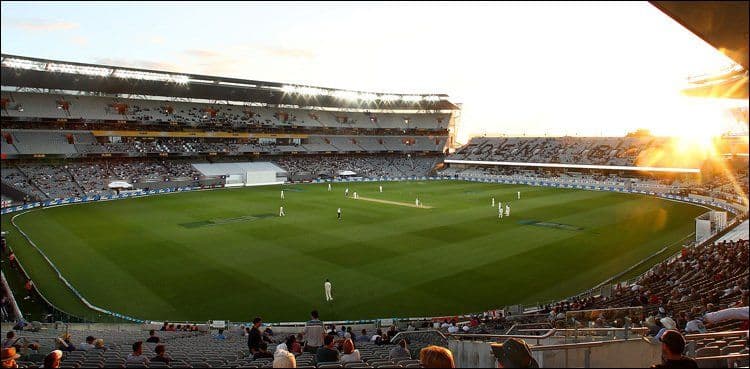
Located in Auckland, Eden Park is often regarded as the smallest international cricket ground in the world. The straight boundaries measure around 55 meters, while the square boundaries are approximately 65 meters.
Key Features:
- Capacity: 50,000
- Established: 1903
- Notable Matches: 2011 Cricket World Cup Final
Eden Park is famous for its unique shape and the thrilling atmosphere it offers during matches. Despite its size, the stadium has hosted numerous significant events, including the 2011 World Cup Final, where India faced Sri Lanka.

Source: www.sportingchanceblog.com
2. The Adelaide Oval, Australia
While not the smallest, the Adelaide Oval is known for its short straight boundaries, measuring around 65 meters. Its picturesque setting and historic architecture make it one of the most beautiful cricket grounds.
Key Features:
- Capacity: 53,500
- Established: 1871
- Notable Matches: 1993 Test Match against West Indies
The Adelaide Oval has a rich history and has hosted many memorable matches. The blend of modern and traditional architecture makes it a must-visit for any cricket enthusiast.

Source: www.youtube.com
3. The Gabba, Australia
Another iconic Australian venue, The Gabba in Brisbane, has straight boundaries measuring around 64 meters. It is known for its lively atmosphere and has been the site of many thrilling Test matches.
Key Features:
- Capacity: 42,000
- Established: 1895
- Notable Matches: 1983 World Cup Final
The Gabba is famous for its fast-paced pitch, which often benefits fast bowlers. The stadium's lively crowd adds to the excitement of the matches played here.

Source: www.instagram.com
4. Feroz Shah Kotla Ground, India
Located in Delhi, the Feroz Shah Kotla Ground is known for its historical significance and its relatively small dimensions. The straight boundaries are around 65 meters.
Key Features:
- Capacity: 41,820
- Established: 1883
- Notable Matches: 2008 Test Match against Australia
This stadium has witnessed some of the greatest moments in cricket history, including Anil Kumble's 10-wicket haul in a single innings against Pakistan in 1999.

Source: www.sawaal.com
5. The County Ground, Taunton, England
The County Ground in Taunton is among the smallest international venues in the UK, with straight boundaries measuring around 65 meters.
Key Features:
- Capacity: 8,500
- Established: 1882
- Notable Matches: 1999 Cricket World Cup matches
The County Ground has a cozy atmosphere and has been the host of numerous domestic and international matches, making it a favorite among local fans.
Source: www.sportsboom.com
Why Do Small Stadiums Matter?
You might wonder why small stadiums hold any significance in the grand scheme of cricket. The answer lies in their ability to create a unique experience for players and fans alike. Here are a few reasons why these venues matter:
1. Intimate Atmosphere
Small stadiums foster a close-knit atmosphere where fans can feel connected to the game. The cheers and chants resonate more, creating an electric environment that enhances the overall experience.
2. Unique Playing Conditions
The dimensions of smaller stadiums often lead to higher scores and more aggressive play. Batsmen are encouraged to take risks, leading to exciting matches filled with boundaries and sixes.
3. Historical Significance
Many small stadiums have rich histories and have hosted significant matches that shaped the game. They serve as a reminder of cricket's evolution and the passion it ignites in fans.
4. Community Engagement
Local cricket clubs often use these smaller venues, fostering community engagement. They serve as hubs for local talent and bring communities together through the love of the game.
Challenges Faced by Small Stadiums
While small stadiums have their charm, they also face certain challenges. Here are some common issues:
1. Limited Capacity
Smaller stadiums often have limited seating, which can lead to ticket shortages during popular matches. This can be frustrating for fans eager to experience the action live.
2. Infrastructure Limitations
Many small stadiums may lack the modern amenities found in larger venues, such as advanced technology and facilities for fans. This can affect the overall experience.
3. Weather Vulnerability
Due to their smaller size, these stadiums may be more susceptible to weather-related disruptions. Rain delays can significantly impact the schedule of matches.
4. Financial Viability
Maintaining a small stadium can be financially challenging, especially if it lacks regular international fixtures. This can lead to concerns about the future of these venues.
Frequently Asked Questions about Worlds Smallest Cricket Stadiums
1. What is the smallest cricket stadium in the world?
The smallest cricket stadium in the world is Eden Park in Auckland, New Zealand, with straight boundaries measuring around 55 meters.
2. Why are small cricket stadiums significant?
Small cricket stadiums create an intimate atmosphere for fans and players, leading to exciting matches and fostering community engagement.
3. Are small stadiums less popular than larger ones?
While they may not host as many international matches, small stadiums have their own loyal fan base and can offer unique experiences that larger venues cannot.
4. What challenges do small cricket stadiums face?
Small stadiums often deal with limited capacity, infrastructure limitations, weather vulnerabilities, and financial viability concerns.
5. Can small stadiums host international matches?
Yes, many small stadiums can and do host international matches, though they may not be as frequent as larger venues.
Conclusion
Exploring the world's smallest cricket stadiums has been a delightful journey, revealing the unique charm and significance these venues hold in the cricketing world. From the intimate atmosphere to the thrilling matches that unfold, small stadiums offer a different perspective on the game I love.
As you delve deeper into the world of cricket, I encourage you to appreciate these smaller venues and the stories they tell. Whether you’re planning to visit one or simply want to understand the game better, these stadiums are worth your attention.
If you found this article engaging and informative, consider exploring additional resources on cricket, subscribing to my blog for more insights, or leaving a comment to share your thoughts.

Mayank Chaudhary is a former Indian domestic cricketer, now working as a cricket analyst. With years of on-field experience and deep insight into the dynamics of the game and the world of cricket betting, he now shares his expertise to help fellow cricket enthusiasts make smarter, more informed bets. Learn more on the About Me page.