

As a cricket enthusiast and a player, I often find myself pondering the importance of safety gear in our beloved sport. One of the most crucial pieces of equipment is the cricket helmet, which has evolved significantly over the years. The Cricket Helmet Regulation is a vital aspect that ensures players' safety on the field. In this article, I'll take you through everything you need to know about these regulations, their importance, and how they impact players at all levels. Whether you're a player, coach, or fan, understanding these regulations is essential for promoting safety in cricket.
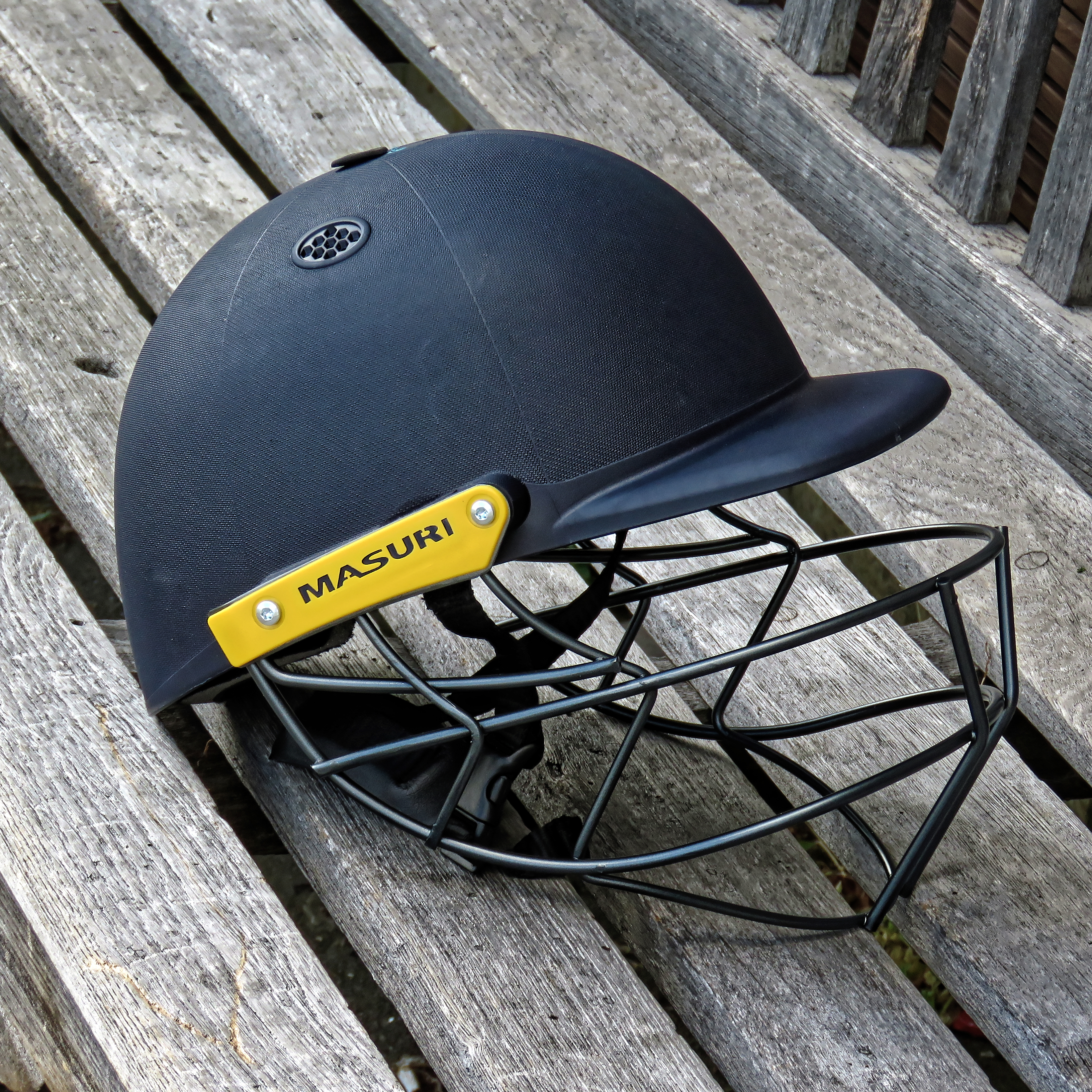
Source: en.wikipedia.org
The Importance of Cricket Helmet Regulation
Cricket is a high-speed game where the ball can travel at incredible velocities. A well-placed bouncer or a fast delivery can lead to serious injuries if players are not adequately protected. This is where Cricket Helmet Regulation comes into play. These regulations are designed to ensure that helmets meet specific safety standards to protect players from head injuries.
The Evolution of Helmet Regulations
Historically, helmets were not a common sight in cricket. Players often relied on caps and protective gear that offered minimal protection. However, as the game evolved, so did the understanding of head injuries and the need for better protective equipment. The introduction of helmet regulations marked a significant turning point in cricket safety.
In 2015, the International Cricket Council (ICC) implemented new standards for helmets, focusing on improved safety features. These regulations require helmets to undergo rigorous testing to ensure they can withstand high-impact forces. The guidelines specify materials, design, and construction methods to maximize player safety.

Source: www.espncricinfo.com
Key Features of Cricket Helmet Regulation
Understanding the key features of Cricket Helmet Regulation can help players, coaches, and enthusiasts appreciate the significance of safety gear. Here are some essential aspects:
1. Safety Standards
Cricket helmets must comply with specific safety standards set by governing bodies such as the ICC and the British Standards Institution (BSI). These standards include tests for impact resistance, coverage area, and chin strap strength.
2. Design Specifications
The design of a cricket helmet is crucial for its effectiveness. Regulations dictate the shape and structure of helmets to ensure maximum protection. For instance, the helmet should cover the entire head, including the forehead and the sides, without obstructing vision.
3. Material Quality
The materials used in helmet construction play a significant role in safety. Helmets must be made from high-quality, impact-resistant materials that can absorb shock and reduce injury risk. Common materials include polycarbonate and fiberglass.
4. Fit and Comfort
A well-fitted helmet is essential for effective protection. Regulations emphasize the importance of adjustable straps and padding to ensure a snug fit without compromising comfort. Players are more likely to wear helmets consistently if they fit well.
5. Certification and Testing
Before a helmet can be used in professional matches, it must undergo rigorous testing and certification. Manufacturers must provide evidence that their helmets meet the required safety standards. This certification process ensures that players are using reliable equipment.

Source: cricketstoreonline.com
The Role of Governing Bodies
Governing bodies like the ICC play a pivotal role in establishing and enforcing Cricket Helmet Regulation. They collaborate with manufacturers, players, and safety experts to develop guidelines that prioritize player safety. The ICC regularly reviews and updates these regulations to reflect advancements in technology and safety research.
ICC's Commitment to Safety
The ICC's commitment to player safety is evident in its proactive approach to helmet regulations. By continuously monitoring safety standards and conducting research, the ICC aims to minimize the risk of head injuries in cricket. This commitment extends to educating players and coaches about the importance of wearing helmets and adhering to safety guidelines.

Source: en.wikipedia.org
Real-Life Examples of Helmet Impact
To truly understand the importance of Cricket Helmet Regulation, we can look at real-life examples of incidents where helmets played a crucial role in protecting players. One notable case is the tragic incident involving Australian cricketer Phillip Hughes in 2014. Hughes suffered a fatal injury after being struck on the neck by a bouncer. This incident highlighted the need for improved helmet designs and stricter regulations.
Following this tragedy, manufacturers began focusing on enhancing helmet designs to provide better protection for players. The ICC responded by tightening regulations, ensuring that helmets offered adequate coverage and protection for the neck area.
The Impact of Improved Regulations
Since the implementation of stricter helmet regulations, there has been a noticeable decline in head injuries in cricket. Players are now more aware of the importance of wearing helmets, and manufacturers are constantly innovating to create safer designs. This positive trend is a testament to the effectiveness of Cricket Helmet Regulation.

Source: cricketstoreonline.com
Frequently Asked Questions about Cricket Helmet Regulation
1. What are the current safety standards for cricket helmets?
The current safety standards for cricket helmets are set by the ICC and BSI. Helmets must pass specific impact resistance tests and meet design specifications to ensure player safety.
2. How often are helmet regulations updated?
Helmet regulations are reviewed and updated regularly by governing bodies like the ICC. This ensures that they reflect the latest advancements in safety technology and research.
3. Are all helmets used in professional cricket certified?
Yes, all helmets used in professional cricket must be certified to meet safety standards. Manufacturers must provide evidence that their helmets have undergone rigorous testing.
4. Can players customize their helmets?
Players can customize their helmets to some extent, but any modifications must still comply with safety regulations. It's essential for players to ensure that their helmets remain safe and effective.
5. What should I look for when purchasing a cricket helmet?
When purchasing a cricket helmet, look for safety certifications, the quality of materials, fit, and comfort. Ensure that the helmet covers the entire head and has adjustable straps for a snug fit.

Source: qsdca.com.au
Conclusion
Understanding Cricket Helmet Regulation is vital for anyone involved in the sport, whether as a player, coach, or fan. These regulations are designed to protect players from head injuries and ensure a safer playing environment. By adhering to these guidelines, we can contribute to the overall safety of cricket.
As you gear up for your next match or practice session, remember the importance of wearing a certified helmet that meets the latest safety standards. Let's prioritize safety on the field and continue to enjoy the thrilling game of cricket. If you have any questions or thoughts about helmet regulations, feel free to leave a comment below!

Mayank Chaudhary is a former Indian domestic cricketer, now working as a cricket analyst. With years of on-field experience and deep insight into the dynamics of the game and the world of cricket betting, he now shares his expertise to help fellow cricket enthusiasts make smarter, more informed bets. Learn more on the About Me page.