

As a cricket fan, I often find myself captivated by the intricacies of the game, especially when it comes to the rules governing Test matches. One aspect that frequently sparks debate and discussion is the Test Match Draw Rules. Understanding these rules not only enhances my appreciation of the sport but also enriches my viewing experience. In this blog post, I’ll delve into the nuances of Test Match Draw Rules, share personal insights, and provide you with all the information you need to grasp this essential aspect of cricket.

Source: www.reddit.com
What Are Test Match Draw Rules?
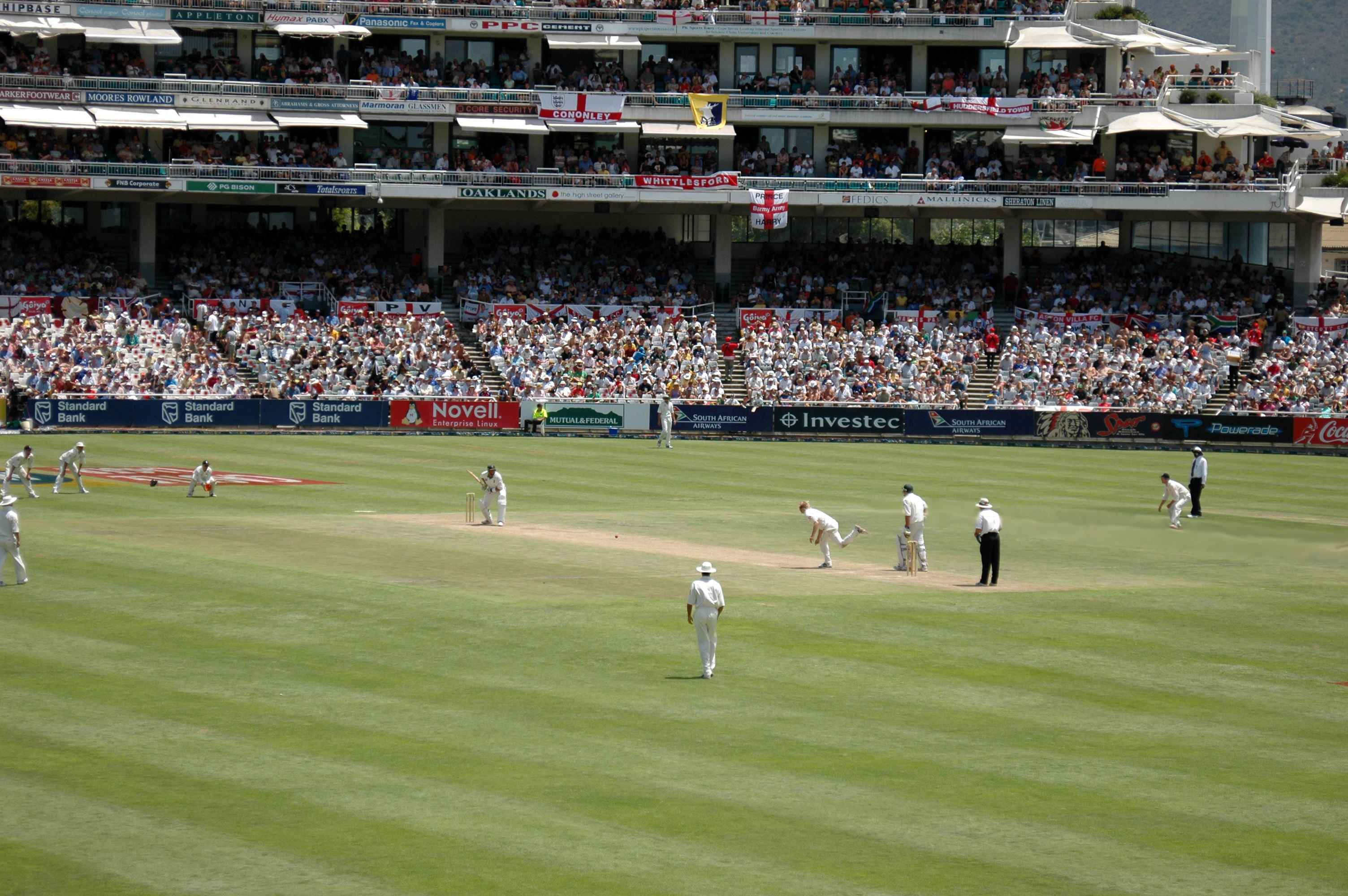
Test matches are the longest format of cricket, often lasting up to five days. The outcome of these matches can be a win, a loss, or, intriguingly, a draw. The Test Match Draw Rules are designed to determine when a match can end without a winner. A draw can occur for several reasons, including time constraints, weather interruptions, or insufficient runs scored by the batting team.
Why Do Draws Occur in Test Matches?
Draws can happen for various reasons, and understanding these can help us appreciate the strategic elements of Test cricket. Here are a few key factors:
-
Time Constraints: Each Test match is allotted a maximum of 450 overs, spread over five days. If the batting team cannot score enough runs within this time, the match may end in a draw.
-
Weather Interruptions: Rain delays or poor light can significantly reduce the number of overs played, leading to a draw if time runs out before a result can be achieved.
-
Defensive Play: Sometimes, teams may choose to play defensively, especially in the final innings, to secure a draw rather than risk losing the match.
-
Pitch Conditions: Pitches can deteriorate over five days, affecting the quality of play. If the pitch becomes too difficult to bat on, teams might settle for a draw.

Source: www.youtube.com
The Mechanics of a Draw
To understand the Test Match Draw Rules, we must look at how they are structured within the laws of cricket. According to the International Cricket Council (ICC), a Test match can end in a draw under the following circumstances:
1. No Result:
A match is declared a "no result" if it does not reach a conclusion due to external factors like weather interruptions. This type of draw is particularly common in regions prone to rain.
2. Timed Out:
If the batting side cannot complete their innings within the allocated time or overs, the match will end in a draw. This often happens when a team is overly cautious or defensive.
3. Insufficient Runs:
If the team batting last cannot surpass the target set by the opposition within the allotted time, the match is drawn. This situation is often seen in matches where the pitch conditions favor bowlers.
4. Innings Draw:
If both teams have batted and the match remains tied without a definitive winner, it is also classified as a draw.
5. Forfeited Innings:
In rare cases, if a team forfeits its innings due to various reasons, the match can also end in a draw.
6. Weather and Light Conditions:
If adverse weather conditions or poor light prevent play from continuing, the match may be declared a draw if the time cannot be made up later.

Source: www.espncricinfo.com
Historical Context of Draws in Test Matches
Draws have been a part of Test cricket since its inception. In fact, some of the most memorable matches in cricket history have ended in draws. For example, the famous 1975 Test match between Australia and England at the Melbourne Cricket Ground ended in a draw, with both teams showcasing incredible skill and resilience.
Notable Draws in History
-
The 1999 Test Match: Australia vs. Pakistan
- This match is remembered for its thrilling finish. Pakistan needed 250 runs to win but ended up drawing the match, showcasing the nail-biting tension that draws can bring.
-
The 2005 Ashes Series: England vs. Australia
- One of the most celebrated cricket series, the 2005 Ashes, included a memorable draw at Edgbaston, where England managed to hold off Australia despite a strong performance from the visitors.
These matches remind us that draws can be just as thrilling as decisive victories, adding layers of strategy and tension to the game.

Source: www.rulesofsport.com
The Importance of Draws in Test Cricket
Draws play a crucial role in Test cricket, affecting team rankings, player statistics, and the overall dynamics of the sport. Here’s why draws are significant:
1. Strategic Depth:
Draws often require teams to employ strategic approaches to both batting and bowling. Teams must balance aggression with caution, making tactical decisions that can lead to exciting finishes.
2. Player Development:
Matches that end in draws provide valuable experience for players, especially younger ones. They learn how to handle pressure and adapt to changing conditions, which is crucial for their development.
3. Fan Engagement:
Draws can create intense moments and discussions among fans. The unpredictability of a match that could swing either way keeps viewers engaged and invested in the outcome.
4. Historical Significance:
Draws often become part of cricket folklore. They create stories that fans cherish and recount for years, adding to the rich history of the sport.

Source: www.instagram.com
Common Misconceptions About Test Match Draw Rules
Despite the clarity of the rules, several misconceptions about Test Match Draw Rules persist. Here are a few:
1. All Draws Are Boring:
Many fans believe that drawn matches lack excitement, but this is far from the truth. The tension of a close finish can be just as thrilling as a decisive victory.
2. Draws Are Uncommon:
While draws are less frequent than wins or losses, they still occur regularly in Test cricket. In fact, approximately 10-15% of Test matches end in a draw.
3. Draws Affect Rankings Negatively:
Some fans think that a draw negatively impacts a team's ranking. However, draws can still earn teams valuable points in the ICC Test rankings.

Source: www.youtube.com
Tips for Enjoying Test Match Draws
As a cricket fan, I’ve learned to appreciate drawn matches for their strategic depth and drama. Here are some tips to enhance your viewing experience:
1. Focus on Strategy:
Pay attention to the strategies employed by both teams. Understanding the tactical decisions can make the experience more engaging.
2. Engage with Fellow Fans:
Discuss the match with friends or online communities. Sharing insights and opinions can deepen your understanding and enjoyment of the game.
3. Watch for Key Moments:
Look for pivotal moments that could swing the match in either direction. These can often be the most exciting parts of a drawn game.
4. Learn the Rules:
Familiarize yourself with the Test Match Draw Rules to appreciate the nuances of the game better. Knowing what can lead to a draw can enhance your viewing experience.

Source: blazetrends.com
Frequently Asked Questions About Test Match Draw Rules
1. What is a draw in Test cricket?
A draw occurs when a match does not produce a winner, often due to time constraints, weather interruptions, or insufficient runs scored by the batting team.
2. How often do Test matches end in a draw?
Approximately 10-15% of Test matches end in a draw, depending on various factors such as pitch conditions and weather.
3. Can a team win if the match is drawn?
No, a draw means neither team has won. However, teams can still earn points in the ICC Test rankings.
4. What happens if rain interrupts a Test match?
If rain interrupts play and the match cannot be resumed in time, it may be declared a draw.
5. How can teams avoid a draw?
Teams can avoid a draw by playing aggressively, particularly in the final innings, and by managing their time effectively.
Source: en.wikipedia.org
Conclusion
Test Match Draw Rules are an integral part of cricket, adding layers of strategy and excitement to the game. As I’ve explored in this article, draws can be just as thrilling as victories, showcasing the skill and resilience of the players involved.
I encourage you to embrace the nuances of Test cricket and appreciate the beauty of drawn matches. Whether you’re a seasoned fan or new to the game, understanding these rules will enhance your enjoyment and deepen your connection to this timeless sport.
For those interested in learning more, I invite you to explore additional resources, subscribe to cricket channels, or leave your thoughts in the comments below.

Mayank Chaudhary is a former Indian domestic cricketer, now working as a cricket analyst. With years of on-field experience and deep insight into the dynamics of the game and the world of cricket betting, he now shares his expertise to help fellow cricket enthusiasts make smarter, more informed bets. Learn more on the About Me page.