

As a cricket enthusiast, I have always been fascinated by the role of the wicket keeper in cricket. This position is not just about standing behind the stumps; it’s about strategy, agility, and a deep understanding of the game. The wicket keeper plays a pivotal role in the dynamics of cricket, often being the unsung hero of the team. In this comprehensive guide, I’ll explore everything you need to know about the wicket keeper in cricket, from their responsibilities to the skills required, and even some tips for aspiring keepers. So, let’s jump right in!

Source: en.wikipedia.org
What is a Wicket Keeper?
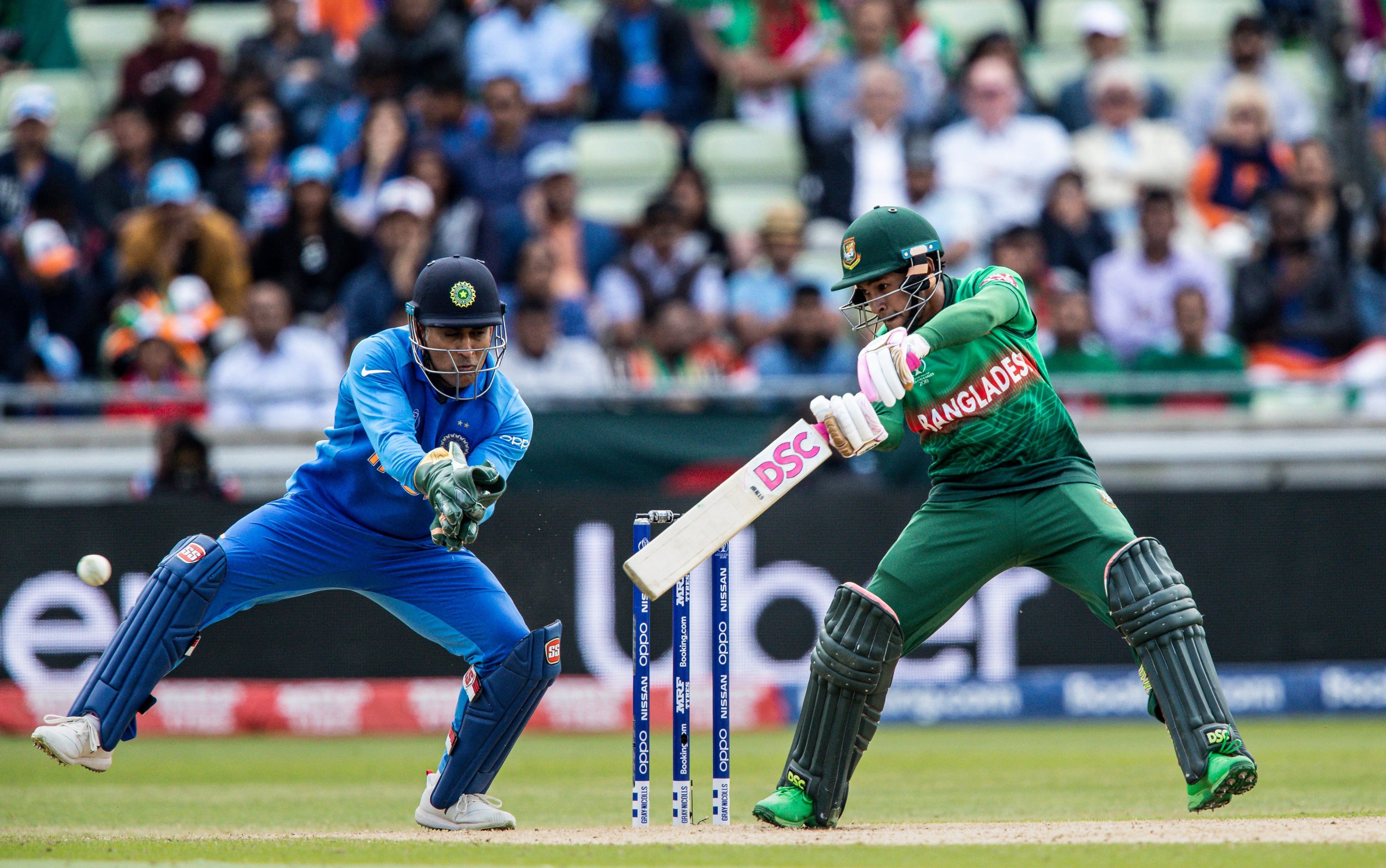
A wicket keeper is a specialized fielding position in cricket, responsible for guarding the stumps behind the batsman. This player is crucial in both formats of the game—Test matches and limited-overs cricket. The primary duties of a wicket keeper include catching the ball, stumping batsmen, and executing run-outs. However, the role extends far beyond these basic responsibilities. A wicket keeper must also communicate effectively with bowlers and fielders, providing strategic insights that can influence the game.
Responsibilities of a Wicket Keeper
The responsibilities of a wicket keeper can be broadly categorized into several key areas:
-
Catching: The wicket keeper must have exceptional hand-eye coordination to catch balls that come at high speeds. This includes catching balls that are edged by the batsman or deflected off the bat.
-
Stumping: One of the most exciting aspects of being a wicket keeper is the ability to stump batsmen. This requires quick reflexes and precise footwork. The keeper must be ready to dislodge the bails as soon as the batsman steps out of the crease.
-
Run-outs: Wicket keepers are often involved in run-out situations, especially when the batsmen attempt quick singles. A keeper must be alert and quick to throw the ball to the appropriate stumps.
-
Fielding: While the primary role is behind the stumps, a wicket keeper also contributes to the overall fielding strategy. They must be versatile enough to field the ball if it comes their way, especially in close-in positions.
-
Communication: A wicket keeper serves as a crucial link between the bowlers and the rest of the team. They must call for catches, direct fielders, and provide feedback to bowlers about the batsman’s weaknesses.
-
Strategy: An effective wicket keeper understands the game’s nuances and can strategize accordingly. They often advise bowlers on field placements and tactics based on the batsman’s style.
Skills Needed for a Wicket Keeper
To excel as a wicket keeper, one must possess a unique set of skills:
-
Agility and Reflexes: A keeper needs to be quick on their feet, able to move swiftly to catch or stump.
-
Hand-Eye Coordination: Catching balls that come at varying speeds requires excellent coordination.
-
Mental Toughness: The pressure of the game can be immense, and a wicket keeper must remain calm and focused.
-
Communication Skills: Clear communication can make a significant difference in a match situation.
-
Physical Fitness: Maintaining peak physical condition is essential for a wicket keeper, as they need to be agile and quick.
-
Game Awareness: Understanding the game’s flow and the batsman’s tendencies can give a keeper a strategic edge.

Source: www.zapcricket.com
The Evolution of the Wicket Keeper Role
The role of the wicket keeper has evolved significantly over the years. Historically, keepers were primarily defensive players, focusing on stopping runs and catching. However, modern cricket has seen a shift, with wicket keepers now expected to contribute significantly with the bat as well.
Historical Perspective
In the early days of cricket, wicket keepers were often seen as mere stopgaps. They wore minimal protective gear and focused primarily on their catching skills. However, as the game progressed, the role became more specialized. The introduction of protective gear like pads and gloves allowed keepers to become more aggressive in their approach.
Modern Wicket Keepers
Today’s wicket keepers are often among the most athletic players on the team. They are expected to be dynamic fielders and capable batsmen. Players like MS Dhoni and Jos Buttler have redefined the role, showcasing that a wicket keeper can be a match-winner with the bat.
The Future of Wicket Keeping
As cricket continues to evolve, so too will the role of the wicket keeper. With advancements in technology and training, future keepers will likely possess even more refined skills. The emphasis on fitness and agility will continue to grow, making the position more exciting than ever.

Source: en.m.wikipedia.org
Notable Wicket Keepers in History
Throughout cricket history, several wicket keepers have left an indelible mark on the game. Here are a few notable names:
-
Adam Gilchrist: An Australian legend, Gilchrist was known for his explosive batting and exceptional wicket-keeping skills. He revolutionized the role by being a wicket keeper-batsman, scoring over 15,000 international runs.
-
MS Dhoni: An iconic figure in Indian cricket, Dhoni is celebrated for his calm demeanor and sharp wicket-keeping skills. He has led India to numerous victories and is known for his remarkable stumping ability.
-
Kumar Sangakkara: The Sri Lankan great was not only a brilliant wicket keeper but also one of the finest batsmen of his era. Sangakkara holds the record for the most dismissals by a wicket keeper in ODI cricket.
-
Mark Boucher: The South African keeper is renowned for his outstanding glove work and holds the record for the most Test dismissals.
-
Jos Buttler: A modern-day wicket keeper, Buttler has made a name for himself as a dynamic batsman and a reliable keeper, known for his ability to change the course of a game in limited-overs cricket.

Source: www.zapcricket.com
Common Misconceptions About Wicket Keepers
As with any position in sports, there are several misconceptions about wicket keepers that I’d like to address:
Misconception 1: Wicket Keepers Are Just Glorified Fielders
While it’s true that wicket keepers are fielders, their role is far more complex. They are strategists, communicators, and crucial decision-makers on the field.
Misconception 2: Wicket Keeping Is Easy
Many fans underestimate the skills required for wicket keeping. The position demands intense concentration, quick reflexes, and the ability to perform under pressure.
Misconception 3: All Wicket Keepers Are Great Batsmen
While some keepers excel with the bat, not all are expected to be top-order batsmen. Their primary role is behind the stumps, and batting is often secondary.
Misconception 4: Wicket Keepers Don’t Need to Be Fit
In reality, wicket keeping is physically demanding. Keepers need to maintain fitness levels to perform at their best, especially in long matches.
Misconception 5: Wicket Keepers Don’t Contribute to Team Strategy
On the contrary, wicket keepers play a vital role in team strategy. Their insights into the game can significantly impact field placements and bowling tactics.

Source: en.wikipedia.org
Tips for Aspiring Wicket Keepers
If you’re looking to become a successful wicket keeper, here are some actionable tips to help you on your journey:
1. Focus on Your Fitness
Physical fitness is crucial for a wicket keeper. Incorporate agility drills, strength training, and flexibility exercises into your routine. This will enhance your reflexes and overall performance.
2. Practice Your Catching
Catching is fundamental to wicket keeping. Spend time practicing various catching techniques, including high catches, low catches, and those coming at different angles.
3. Work on Your Stumping Skills
Stumping requires precision and speed. Set up drills that allow you to practice your footwork and quick dislodging of bails.
4. Develop Communication Skills
Effective communication can make a significant difference in the game. Practice calling for catches and directing fielders during practice sessions.
5. Study the Game
Understanding the nuances of cricket will help you anticipate plays. Watch matches, analyze players, and learn from experienced keepers.
6. Seek Feedback
Don’t hesitate to ask for feedback from coaches and teammates. Constructive criticism can help you identify areas for improvement.
7. Stay Mentally Strong
Wicket keeping can be stressful, especially during tight matches. Develop mental resilience through visualization techniques and mindfulness practices.

Source: www.allroundercricket.com
Frequently Asked Questions About Wicket Keeper In Cricket
What is the primary role of a wicket keeper?
The primary role of a wicket keeper is to guard the stumps behind the batsman, catch balls, stump batsmen, and execute run-outs.
Do wicket keepers need to be good batsmen?
While not all wicket keepers are top-order batsmen, many modern keepers are expected to contribute significantly with the bat.
What skills are essential for a wicket keeper?
Essential skills include agility, hand-eye coordination, quick reflexes, communication, and game awareness.
How has the role of the wicket keeper changed over time?
The role has evolved from a defensive position to one that requires dynamic skills, including batting and strategic thinking.
Who are some of the best wicket keepers in cricket history?
Notable wicket keepers include Adam Gilchrist, MS Dhoni, Kumar Sangakkara, Mark Boucher, and Jos Buttler.
Source: www.sportsboom.com
Conclusion
The wicket keeper in cricket is a vital position that combines skill, strategy, and athleticism. Whether you’re an aspiring keeper or a fan looking to understand the game better, I hope this guide has provided you with valuable insights into this fascinating role. Remember, the journey to becoming a successful wicket keeper requires dedication, practice, and a love for the game.
If you’re passionate about cricket, I encourage you to explore more resources, practice your skills, and perhaps even share your experiences in the comments below. Keep your gloves ready, and who knows—you might just be the next great wicket keeper!

Mayank Chaudhary is a former Indian domestic cricketer, now working as a cricket analyst. With years of on-field experience and deep insight into the dynamics of the game and the world of cricket betting, he now shares his expertise to help fellow cricket enthusiasts make smarter, more informed bets. Learn more on the About Me page.